
GIFT SETS
SHOP NOW

Popular searches

Cart
Your cart is empty
Your gifting options
Make your gift extra special with our luxury packaging options. Select a gift bag, gift box or a combination to create the perfect presentation.

Luxury Gift Box, Gift Bag & Wrapping Kit (€8,99)

Meaning Card (€2,50)
Add more meaning to your gift with a meaning card included with your order.
15 variations available

Gift Bag, Ribbon & Wrapping (€5,99)
The full CRAFTD gifting experience.
Includes: Premium CRAFTD gift bag, Ribbon & Wrapping Paper.
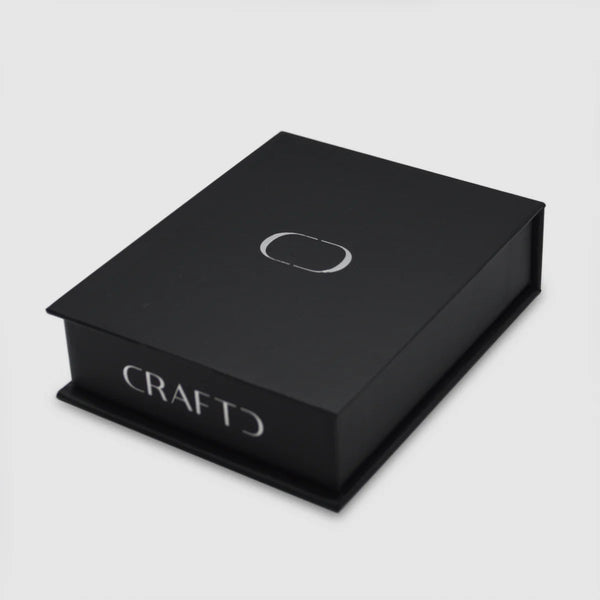
Luxury Gift Box (€5,99)
Choose your option
To My Boyfriend

To My Soulmate

To My Grandson

To My Brother

To My True Friend

To My Dad

A Symbol Of Strength

A Symbol of Luck

A Symbol Of Safe Travel

A Symbol Of Self Belief

A Symbol Of Adventure
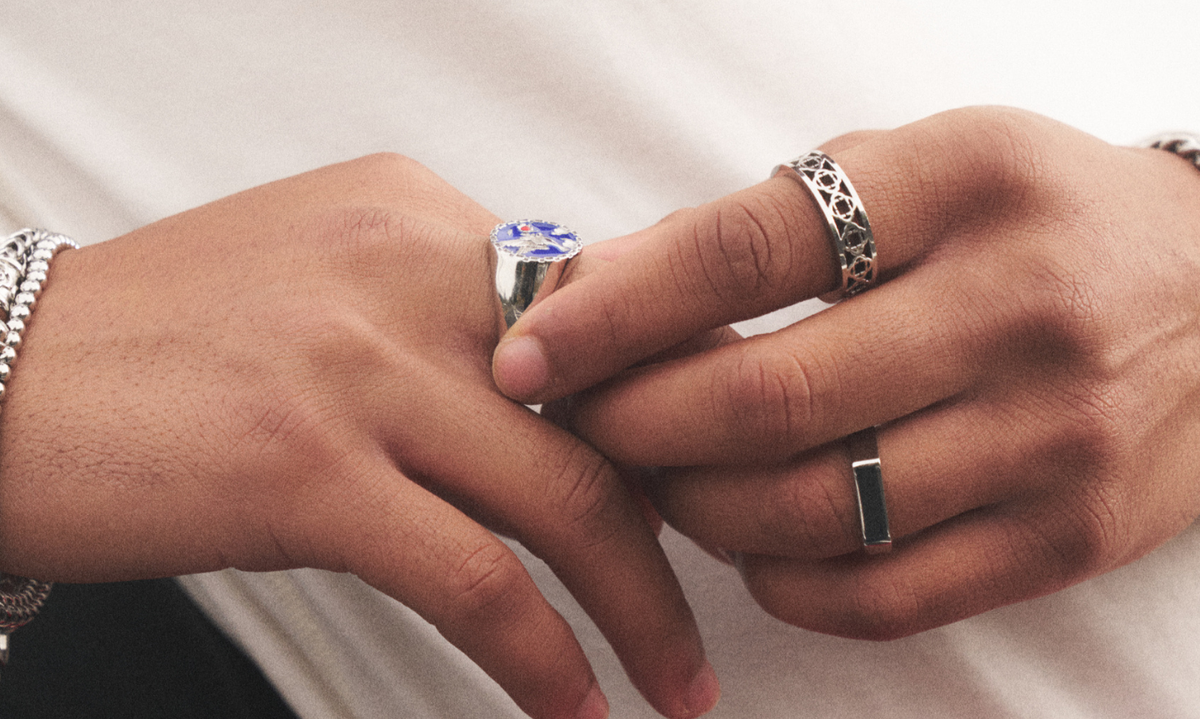
Sterling silver outlasts almost everything else you'll buy this year.
Looked after properly, a 925 piece doesn't have a lifespan in any meaningful sense. It lasts decades, and then it lasts decades more for whoever you hand it to. That's the honest answer to how long sterling silver lasts, and it's the reason it isn't just jewellery. It's an investment that will last a lifetime.
The catch is that it only works that way if you understand what silver actually does over time, which is where most people go wrong. Below we'll cover how long it really lasts, what happens to it over five, ten and twenty years, why tarnish isn't the enemy you've been told it is, and the handful of habits that decide whether a piece lives out its potential.
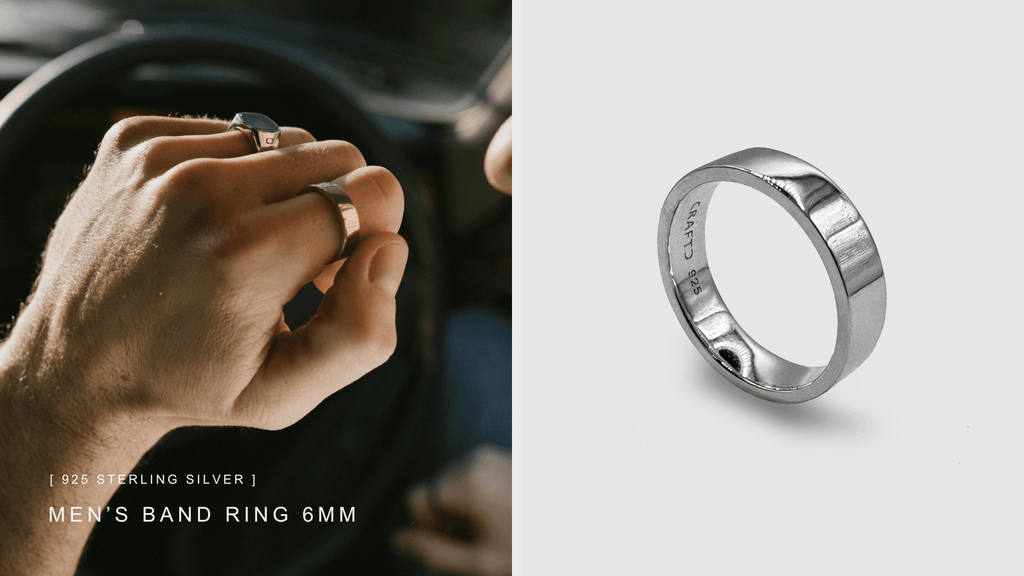
Featured: Flat Band Ring (Sterling Silver) 6mm
Jump to:
Indefinitely, and that isn't marketing.
Silver doesn't rust and it doesn't rot. It doesn't have a shelf life the way a plated finish does, because there's no coating to wear through. A sterling piece is the same metal all the way to the middle, so there's nothing to run out of. Museums are full of silver that's been above ground for centuries and is still perfectly solid.
What actually ends a sterling piece's life is almost never the metal. It's a clasp that fails and never gets fixed, a thin link that snaps and stays snapped, or a piece that gets lost. Every one of those is repairable or preventable, which is the whole point.
So the useful version of the question isn't how long silver lasts. It's how long your piece lasts, and that comes down to three things: how solidly it was made, whether you look after it, and whether you bother getting it fixed when something goes. Get those right and you'll be the reason it eventually stops, not the silver.
Pure silver is 99.9% and far too soft for jewellery. It scratches, it dents, and it won't hold a clasp under daily wear.
Sterling is 92.5% pure silver mixed with 7.5% of a stronger metal, usually copper, which is where the 925 hallmark comes from. That small change is what turns silver into something you can actually wear, without touching the look or the feel of it.
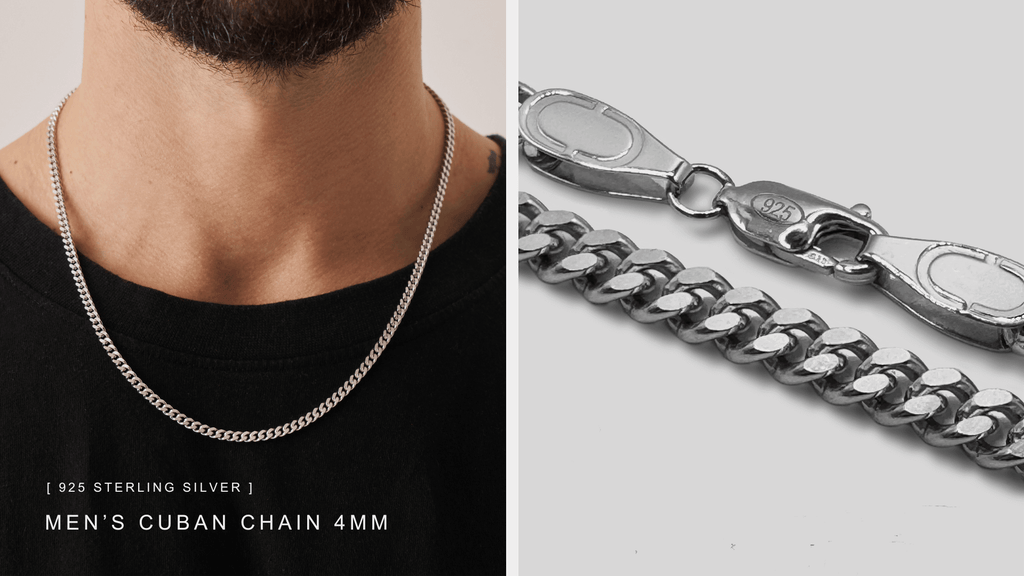
Featured: Cuban Link Chain (Sterling Silver) 6mm
That's the short version. If you want the full picture, including how to read every other hallmark you'll find and how to tell a genuine piece from a convincing one, our guide to what 925 means on jewellery covers it properly.
Tarnishing doesn't mean your jewellery is low quality. It means the opposite.
That 7.5% alloy, the copper especially, reacts with sulphur compounds in the air and with moisture, and the surface darkens. Sweat, humidity and chlorine all speed it up. It's a surface reaction and it goes no deeper than that, which is why it comes off completely and why it says nothing about what's underneath.
A piece that never tarnishes isn't better silver. It's usually not silver.

Featured: The 925 Sterling Silver Collection
Instead of seeing tarnish as a flaw, try looking at it differently. It's part of what makes sterling silver feel real.
The worn-in look isn't damage, it's character. It shows the piece has been lived in rather than left in a drawer. Silver picks up patina and subtle texture in the places you touch it most, which means no two pieces age the same way. Yours ends up looking like yours.
And if you'd rather keep it bright, that's a five-minute job whenever you feel like it. Nothing about tarnish is permanent, so this is genuinely a preference rather than a problem to solve.

Featured: Sterling Silver Cuban Link Chains
Worth knowing what you're actually signing up for, because sterling changes on a timescale most people never see described.
The first few months. Almost nothing, unless you're wearing it in a pool. You may notice the very first dulling somewhere around the clasp, where sweat sits.
A year or two. The high points stay bright because your skin and clothing polish them constantly. The recesses go darker. On a Cuban chain this is when the piece starts to read as three-dimensional rather than flat, and it's the point most people decide whether they're a polisher or not.
Five to ten years. Sharp edges soften slightly. A ring worn daily develops a shallow, comfortable wear pattern where it meets the neighbouring finger. Fine engraving holds up but loses a fraction of its crispness. None of this is damage, and a proper polish still takes it back to near-new whenever you want.
Twenty years and beyond. The metal itself is unchanged. What ages is the making: a clasp spring gets tired, a jump ring thins where it's rubbed against a pendant for two decades. These are the parts a jeweller replaces for very little, which is how pieces reach fifty years and past.
The pattern across all of it: silver doesn't degrade, fittings wear. Look after the fittings and the piece has no natural end.
Keeping your sterling silver looking fresh is easier than you think.
The natural oils on your skin speed up tarnishing, so a quick wipe with a soft cloth after wearing slows it right down. Ten seconds, and it's the single highest-value habit on this page.
Wearing your jewellery in the shower is fine, just dry it properly afterwards, since sitting wet is what does the damage rather than the water itself. Pools are a different story, as chlorine speeds up the reaction considerably. If you know you'll be in the water a lot, a 316L stainless steel piece is the better tool for that job.
Air exposure is one of the biggest causes of tarnishing. When you're not wearing your silver, keep it in a sealed pouch or box. Every CRAFTD 925 piece arrives with a leather pouch, a polishing cloth and a box, so you're already set. An anti-tarnish strip in the pouch buys you even longer if a piece is going away for months.
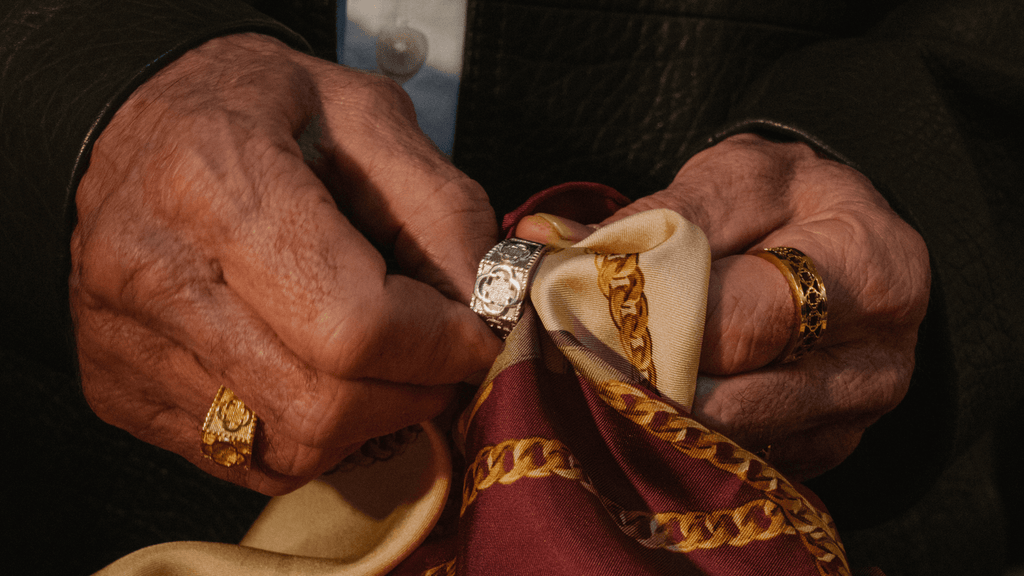
Featured: Clover Sovereign Ring (Silver)
Noticed a few tarnish spots? No stress. Match the method to how much you're dealing with.
One important exception. Everything above is for solid sterling. Never use a silver dip or a polishing cloth on gold vermeil, because the gold sits on top of a sterling base and a dip will take the gold off first. Our guide to cleaning gold jewellery covers vermeil and plated properly, and for chains specifically there's a step-by-step in how to clean a silver chain.
Most sterling problems are yours to solve at home. A few aren't, and knowing the difference is what gets a piece to twenty years.
A clasp that's opening on its own. The most common way people lose a chain, and one of the cheapest things to replace. If you've caught it slipping once, get it done rather than hoping.
A stretched or thinning link. Usually the one nearest the clasp, or wherever a pendant has been sitting. It'll go eventually. Replacing a single link costs almost nothing next to replacing the chain.
Tarnish that won't lift. If a piece has gone properly black in the recesses and home methods aren't touching it, a professional ultrasonic and polish will. That's a job for solid sterling only.
A ring that's gone thin. Decades of daily wear can wear a band thin on the underside. A jeweller can build it back up, and it's worth doing on anything you care about.
None of these are expensive. All of them are the difference between a piece you owned for five years and one you'll hand on.
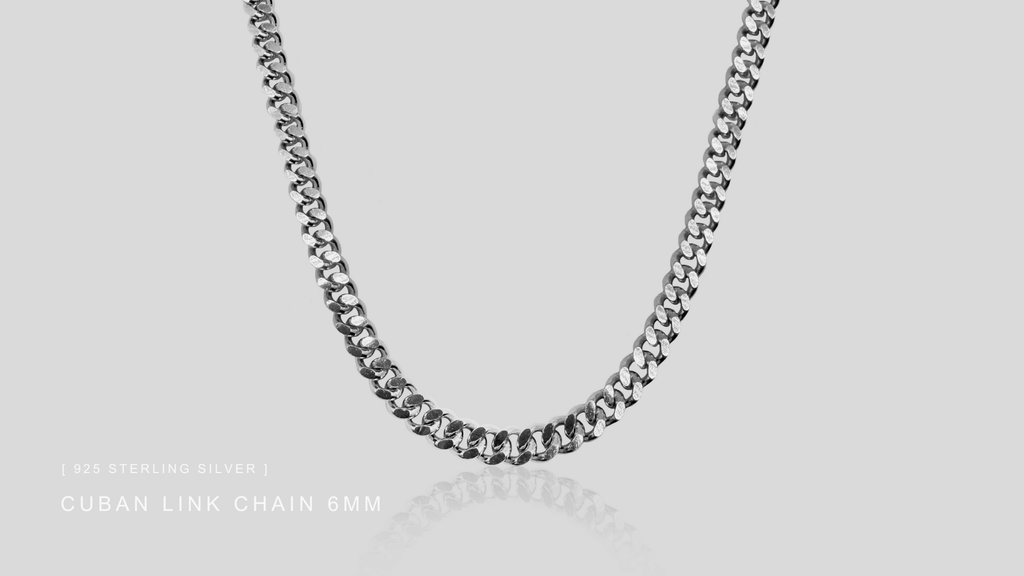
Featured: Cuban Link Chain (Sterling Silver) 6mm
This is the bit that separates sterling from most of what's in your wardrobe.
A chain bought today, worn properly and repaired when it needs it, is still a working piece of jewellery in fifty years. It won't be worth more money, and that's not the point. It'll carry twenty thousand days of wear on its surface, and it'll go to someone who knows exactly whose it was.
That's what people mean when they call silver an investment. Not resale, which rarely favours anyone. Cost per wear, over a horizon long enough that the sum stops making sense. Buy one good piece and wear it for thirty years, and it's the cheapest thing you own.
Indefinitely, if it's looked after. Silver doesn't rust or break down, and a sterling piece is solid metal rather than a coating, so there's nothing to wear through. What ends a piece is almost always a failed clasp or a broken link that never got repaired, and both are cheap fixes.
Very slowly, and only where it's rubbing. A ring worn every day for a decade develops a shallow wear pattern, and a jump ring thins where a pendant sits. The metal itself doesn't degrade, so a jeweller can build worn areas back up.
No. Tarnish is a surface reaction and it comes off completely, whether that's with a polishing cloth, a baking soda paste, or a professional clean for anything severe. Nothing about it is permanent and it doesn't affect the silver underneath.
Yes, and it's better for it. Regular contact with skin and clothing keeps the high points polished, which is why daily-worn pieces often look brighter than ones kept in a box. Take it off for pools and the sea, and wipe it down when you take it off.
As a piece to own for life, yes, in the sense that cost per wear on something you keep for thirty years is unbeatable. As a financial asset, no. Resale on jewellery rarely reflects what you paid, because you bought design and making rather than metal.
Neither is better, they're built for different jobs. Sterling is a precious metal that ages and develops character. Steel doesn't tarnish and handles anything you throw at it. Our guide to sterling silver vs stainless steel covers when each one makes sense.
925 sterling silver deserves a spot in every man's collection. It's classic, versatile, and CRAFTD to last when it's looked after. Unlike almost anything else you'll buy, it gets better with time rather than worse.
Some guys keep it polished. Others let it wear in. Either way, sterling silver is a staple for life rather than a season. If you're ready to find your signature piece, explore the 925 Collection here.
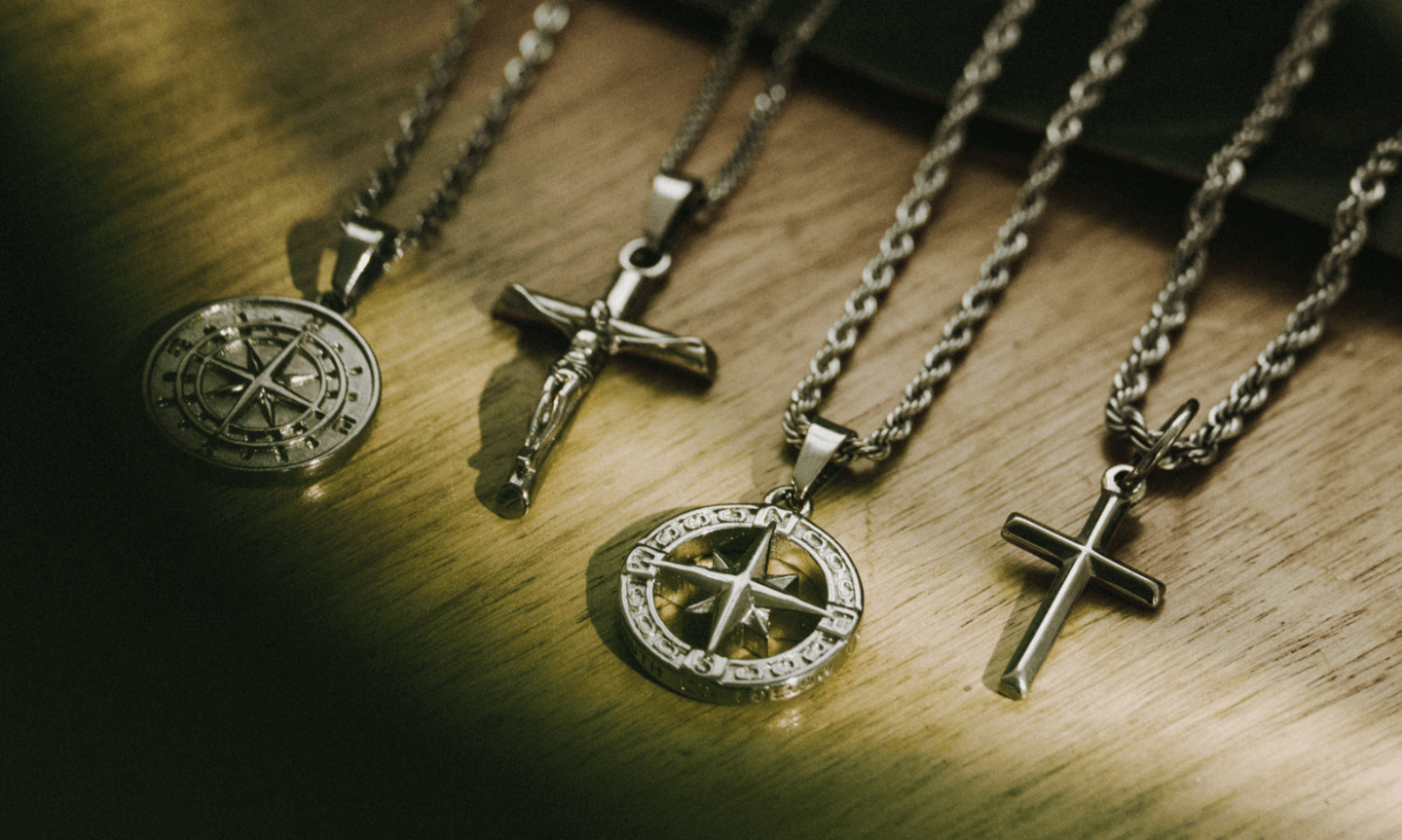
Sterling Silver vs Stainless Steel Jewellery: Which is Better?
Both of these metals are CRAFTD to last, just in different ways. They’re part of the same story. They both belong in your collection. The key is knowing when, where, and how to wear them.
Read more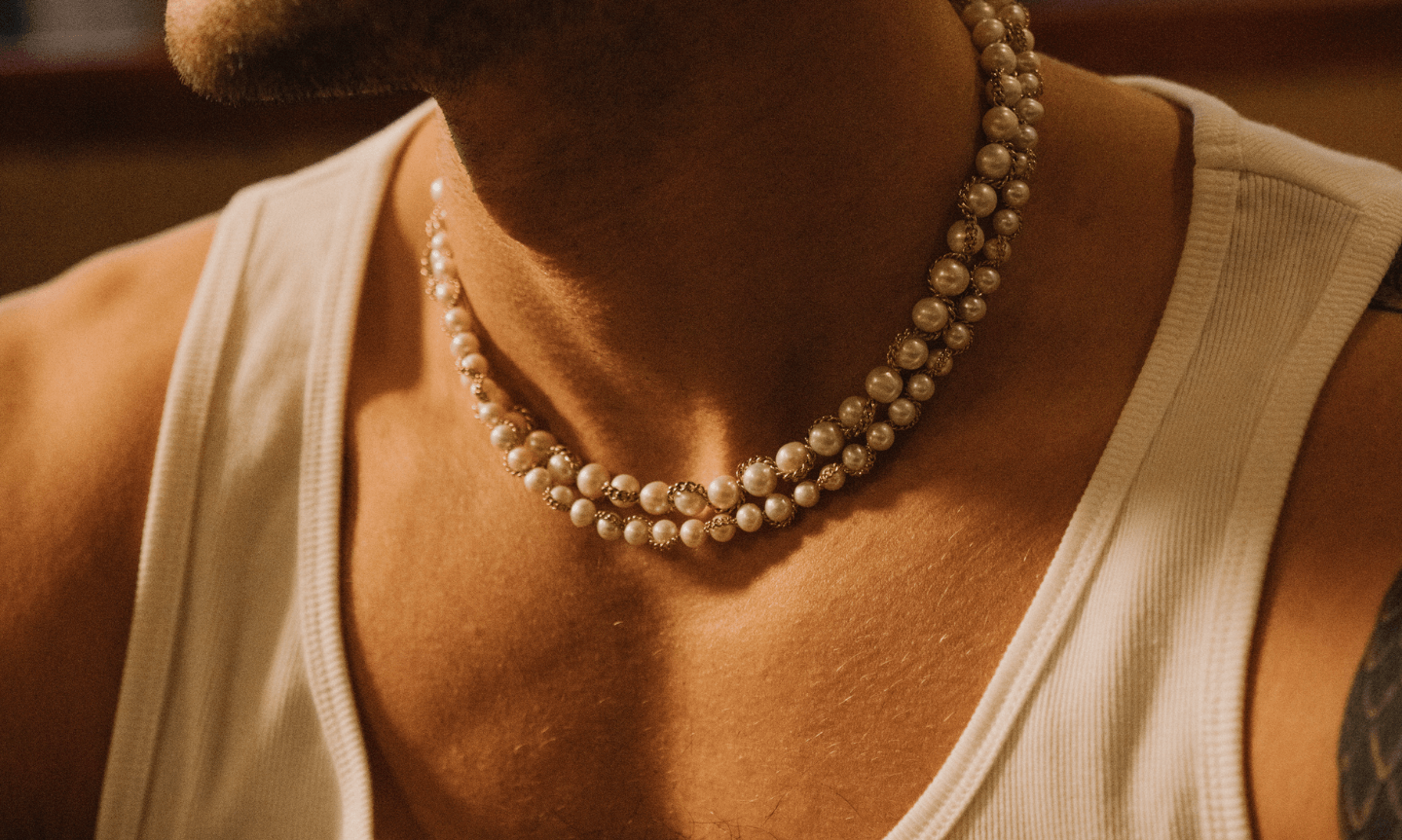
Why Every Man Needs a Pearl Necklace in His Collection
In the world of men's jewellery, every blog you stumble upon wants to shout about the "new trend" in men pearl necklaces. They reel off a list of famous faces spotted in pearls in recent years, yet...
Read more

Leave a comment
This site is protected by hCaptcha and the hCaptcha Privacy Policy and Terms of Service apply.