

GEMSTONES




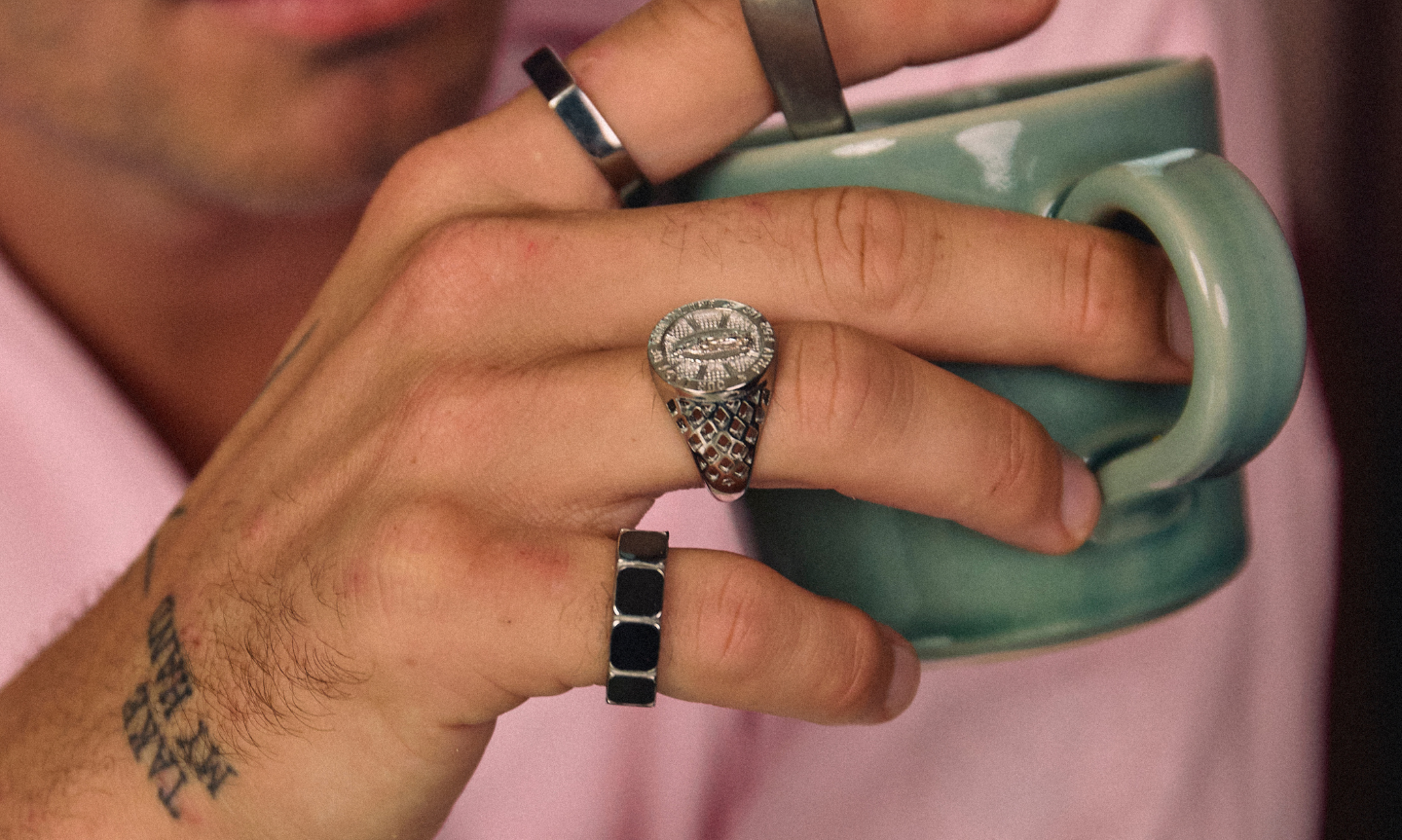
How to Clean Rings (Whatever They're Made Of)
Rings pick up more than most jewellery. Hand soap, hand cream, gym chalk, the odd bit of cooking oil, it all sits in the crevices whether you notice it or not. The good news is that bringing a ring back to life rarely takes more than a bowl, some warm water, and five minutes.
The method changes slightly depending on what your ring is actually made of, so here's the right way to clean each one, plus what to avoid and how to keep them looking sharp for longer.
Jump to:
- Here's why rings get dull over time
- The right method for your ring's metal
- A few rules worth following
- What not to do
- How to keep them cleaner for longer
- FAQs
Here's Why Rings Get Dull Over Time
Most of the dulling has nothing to do with the ring itself. Everyday build-up, from hand cream, soap residue, sweat, and skin oils, settles into the detail of a ring long before the metal underneath is actually affected. Sterling silver also tarnishes naturally through a chemical reaction with air and moisture, which is normal and easily reversed. The one thing that does need a bit more care is anything plated, whether that's rhodium over stainless steel or gold over sterling silver, since the coating itself is what you're cleaning around rather than scrubbing at directly.
The Right Method for Your Ring's Metal
We make rings across five materials, plus a number of gemstone-set styles, and each responds a little differently to cleaning. Find yours below.
Sterling Silver
925 sterling silver is a solid precious metal, which means it can be cleaned properly rather than just wiped over. Soak it for a few minutes in warm water with a couple of drops of mild dish soap, then use a soft-bristle brush to gently work over any detail. Rinse under running water and dry immediately with a soft, lint-free cloth. If it's properly tarnished, a dedicated silver polishing cloth will bring the shine back without needing anything abrasive. For more on keeping the shine consistent day to day, our guide to keeping sterling silver looking brand new goes further.

18K Gold Vermeil
Gold vermeil is real gold, bonded over a sterling silver base, so it needs a gentler hand than solid silver. We've written a full guide dedicated to cleaning both our vermeil and gold-plated pieces properly, since the method is different enough to deserve its own space. Read the full gold cleaning guide here.

Gold and Silver Stainless Steel
Most of our everyday signets and band rings are built on a stainless steel core, finished in rhodium for the silver-tone pieces or 18K gold and rhodium for the gold-tone pieces. It's a genuinely tough finish, built to handle daily wear, and it holds up well to a simple clean. A soak in warm, soapy water followed by a soft-bristle toothbrush over any engraved detail is all it needs. Rinse well and dry straight away so no soap residue sits in the crevices. If you're curious what the plating is actually made of, our guide to what plated gold means breaks it down.
Tungsten
Tungsten is one of the hardest metals used in jewellery, which means it barely scratches and won't tarnish the way silver does. A quick wipe with a damp, soft cloth is usually enough. For a deeper clean, warm soapy water and a soft brush will lift anything stuck in the detail. One thing worth knowing: tungsten can't be resized, so getting the sizing right when you buy matters more here than it does with our other rings.
Rings with Gemstones
A number of our signets are set with onyx, crystal, or cubic zirconia stones, and these need a slightly different touch to the metal around them. Rather than soaking the whole ring, dampen a soft cloth with warm, soapy water and clean around the stone and setting rather than submerging it. Prolonged soaking can work at the glue holding a bezel-set stone in place over time. Avoid direct pressure on the stone itself with a brush, and steer well clear of ultrasonic cleaners, which can crack a stone or loosen its setting. Dry thoroughly afterwards, including underneath the setting, so no moisture sits trapped against the metal.

A Few Rules Worth Following
- Use a soft-bristle brush, never anything stiff or abrasive
- Dry rings properly straight after cleaning, don't let them air dry
- Use a clean, lint-free cloth for the final polish
- Clean over a folded towel or closed sink, in case anything slips from your grip
What Not to Do
Skip bleach, chlorine, and anything abrasive like scouring powder, all of which can strip plating or dull a finish permanently. Toothpaste is a popular home remedy, but it's more abrasive than it looks and can leave fine scratches on softer finishes, so it's best left for your teeth. Avoid soaking plated rings for long periods too. A quick clean is fine; leaving a ring sitting in water for hours isn't doing it any favours.
How to Keep Them Cleaner for Longer
Take rings off before swimming, showering, or hitting the gym. Chlorine, sweat, and prolonged water exposure are the biggest causes of a dull finish. Let perfume, aftershave, and hand cream dry fully before putting rings back on, and store them separately rather than piled together in one dish. Tungsten in particular is hard enough to scratch softer metals if they're left knocking around together.
A Few CRAFTD Rings to Add to the Rotation
If it's time to add something new rather than just clean what you've already got, here are a few pieces worth knowing across our different materials.

Featured Ring: Rounded Ring (Sterling Silver)
Handcrafted and hallmarked in real silver, with a smooth rounded profile and high-polish finish that wears effortlessly alone or stacked.

Featured Ring: Onyx Squared Stone Signet Ring (Silver)
A squared onyx gemstone, hand-set within a Cabochon inlay for the stone's richest colour, on a scratch-resistant silver signet built to wear solo or stacked.

Featured Ring: Bevelled Ring (Tungsten)
Made from one of the toughest metals on earth, with a bevelled outer edge and a rounded inner comfort band for a secure, no-slip fit from day one.
FAQs
Can I clean my rings with toothpaste?
It's a common home remedy, but toothpaste is more abrasive than it looks and can leave fine scratches, especially on plated or polished finishes. Mild dish soap and warm water is the safer option.
How often should I clean my rings?
Once every week or two is enough for rings worn daily. If you notice build-up sooner, there's no harm in cleaning them more often.
Will cleaning wear down the plating on my rings?
Not if you stick to mild soap, warm water, and a soft brush or cloth. It's harsh chemicals and abrasive scrubbing that wear plating down over time, not gentle regular cleaning.
Is tungsten hard to keep clean?
The opposite. Tungsten resists scratching and tarnishing better than almost any other ring material, so it needs the least maintenance of everything we make.
Can I use a jewellery cleaning solution from the shop?
Most off-the-shelf jewellery cleaners are fine for solid sterling silver and tungsten. For plated pieces, gold vermeil, and gold-plated stainless steel, stick to mild soap and water, since some solutions are too harsh for a thin plated layer.
Can I clean gemstone rings the same way as plain bands?
Not quite. Clean around the stone with a damp cloth rather than soaking the whole ring, and avoid brushing directly against the stone or setting. The metal can handle a normal clean, but the stone and its setting need a gentler approach.
Choose Rings CRAFTD to Last
A clean ring is a five-minute job, and a well-made one shouldn't need it too often. Whichever material you're drawn to, our full ring range is worth a browse here.
Read more
How to Untangle a Necklace: Every Method That Works
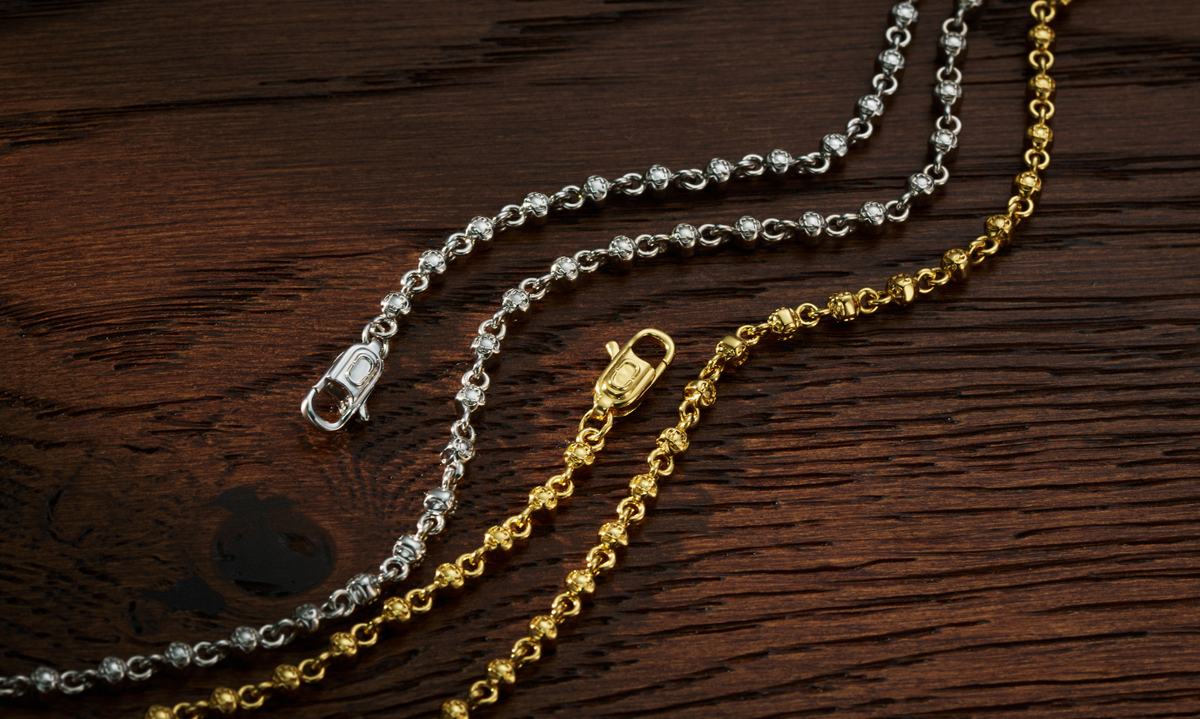
A knotted chain always looks worse than it is. Open the clasp, lay it flat, and push rather than pull. Here's every method that works, in order, plus what to do differently depending on your chain.
Read more
Minimalist Jewellery for Men: Every Style, and Who It's For
Minimalist jewellery is the one category you can't really get wrong. No outfit it clashes with, no trend it falls out of, no room it's wrong for. Here's every style, and who each one suits.
Read more
Leave a comment
This site is protected by hCaptcha and the hCaptcha Privacy Policy and Terms of Service apply.