SILVER NECKLACES
SHOP NOW


If you've ever bought a gold chain that looked the part for a few weeks then faded back to a dull grey, you already know the problem with most "gold" jewellery. The honest answer to how long gold plated jewellery lasts is: it depends almost entirely on how it's made.
Here's what actually decides it, how long you can realistically expect a piece to last, and how to make sure the gold you buy stays gold.
Jump to:
Most traditional gold plated jewellery lasts somewhere between a few months and two years before the gold starts to wear away. Thin, cheap plating over a base metal can fade in weeks. A thicker, better-made piece can hold its colour for a couple of years with care.
The reason the answer is so broad comes down to two things, and they're the only two that really matter:
Get both right and a piece can last for years. Get them wrong and you're looking at a one-season buy. If you want the full breakdown of how the gold types compare, we cover it in our guide to 18K gold vs gold vermeil.
Shop for gold jewellery online and you'll see pieces labelled gold plated, gold filled, or gold vermeil. They're all gold on the surface, and they all use a process called electroplating to bond a layer of gold onto a base metal underneath.
Plating is popular for one simple reason: it lets you wear the look of gold without paying solid-gold prices. The catch is that "gold plated" tells you almost nothing about quality. It doesn't say how thick the gold is, or what metal it's hiding.
All three are gold over another metal, but they're held to very different standards:
The takeaway: the words matter less than the two numbers underneath them. Thickness and base metal decide how long any of them last.
That thin layer of gold is doing a lot of work. Every day it's up against water, sweat, friction, perfume, and your skin's natural oils. With a thin coating over a cheap base, it doesn't stand a chance for long.
It usually shows first at the points that take the most contact: the clasp, the inside of a ring, the back of a pendant where it rubs your chest. The gold thins, the base metal shows through, and on cheaper pieces your skin can turn green where the metal reacts.
That's the experience most guys mean when they say they "can't wear gold." It wasn't the gold. It was thin plating over the wrong metal.
If your gold plated jewellery doesn't have a protective coating, a bit of care goes a long way. A few simple habits will keep it looking its best for as long as possible:
For more, our chain care and styling guides walk through keeping your pieces in good shape over the long haul.
The good news is you're not stuck choosing between thin plating and an expensive solid-gold piece. You just need to know what to look for.
Prioritise those three and you'll find pieces you can actually wear every day, not just save for a night out.
We built CRAFTD around one idea: jewellery you never have to take off. That meant doing gold differently to most of the market.
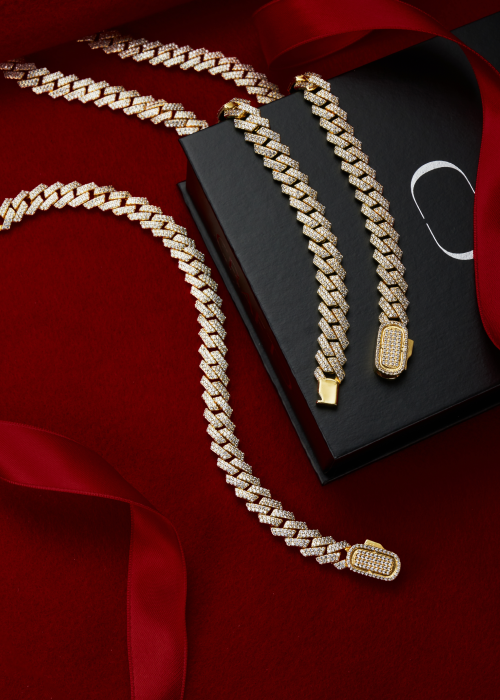
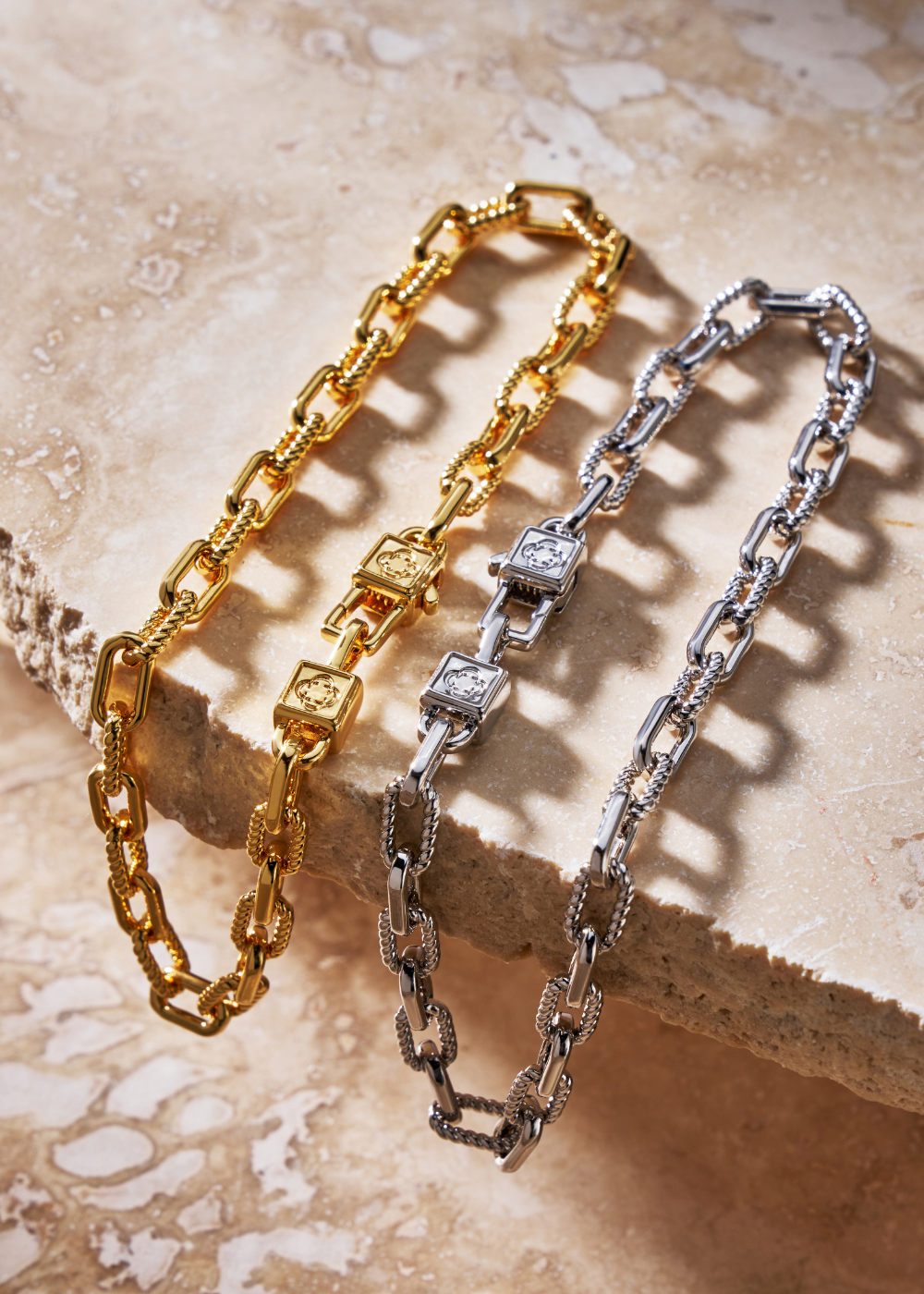
Our gold pieces are real 18K gold over a solid 316L stainless steel core, finished with a protective scratch and fade-resistant coating. Steel is the toughest material in the game, which is why our pieces don't tarnish, rust, or fade the way brass-based plating does. No cheap base metal, no green skin, no one-season wear.
That construction is what makes our gold:
Wash it now and then to keep its shine, and it's CRAFTD to last. You can browse the full men's gold collection to see where to start. Gold carries meaning as well as value, which we explore in what gold represents.
A few pieces to build a collection around:
Traditional gold plated jewellery typically lasts a few months to two years. Thin plating over a cheap base metal fades fastest, while a thicker layer with a protective coating can last for years with care.
Most of it does. As the thin gold layer wears, the base metal underneath starts to show, usually at the clasp, the inside of a ring, or wherever the piece rubs. A protective coating and a quality core slow this down dramatically.
Not with thin, uncoated plating. Water, and chlorine especially, wears the gold faster. Pieces built on a stainless steel core with a protective finish, like ours, are waterproof and safe to wear in the shower, pool, or sea.
That's the base metal, usually brass, reacting with your skin once the thin gold layer wears through. It isn't the gold itself. A stainless steel or sterling silver core doesn't do this.
It depends on how it's made. Thin gold over brass is a short-term look. Real 18K gold over a quality core with a protective coating is a different product entirely, and well worth it for everyday wear.
Knowing how gold plating actually works makes it much easier to buy well. The decision comes down to the same quiet truth every time: real gold, a core worth keeping, and a finish that holds.
Get that right and you stop thinking about your jewellery altogether. You just wear it. If you're still weighing your options, our 18K gold vs gold vermeil guide is the natural next read.

18K Gold vs Gold Vermeil: What’s the Difference?
Wondering what gold vermeil actually means, or whether "18K gold" is the real thing? Here's the honest breakdown of every gold type, what lasts, and which one's right for you.
Read more
What Does Gold Represent? And What It Says About You
Everything you wear says something. Here's what gold represents, what it symbolises across cultures, and what choosing gold over silver quietly says about you.
Read more



Leave a comment
This site is protected by hCaptcha and the hCaptcha Privacy Policy and Terms of Service apply.