

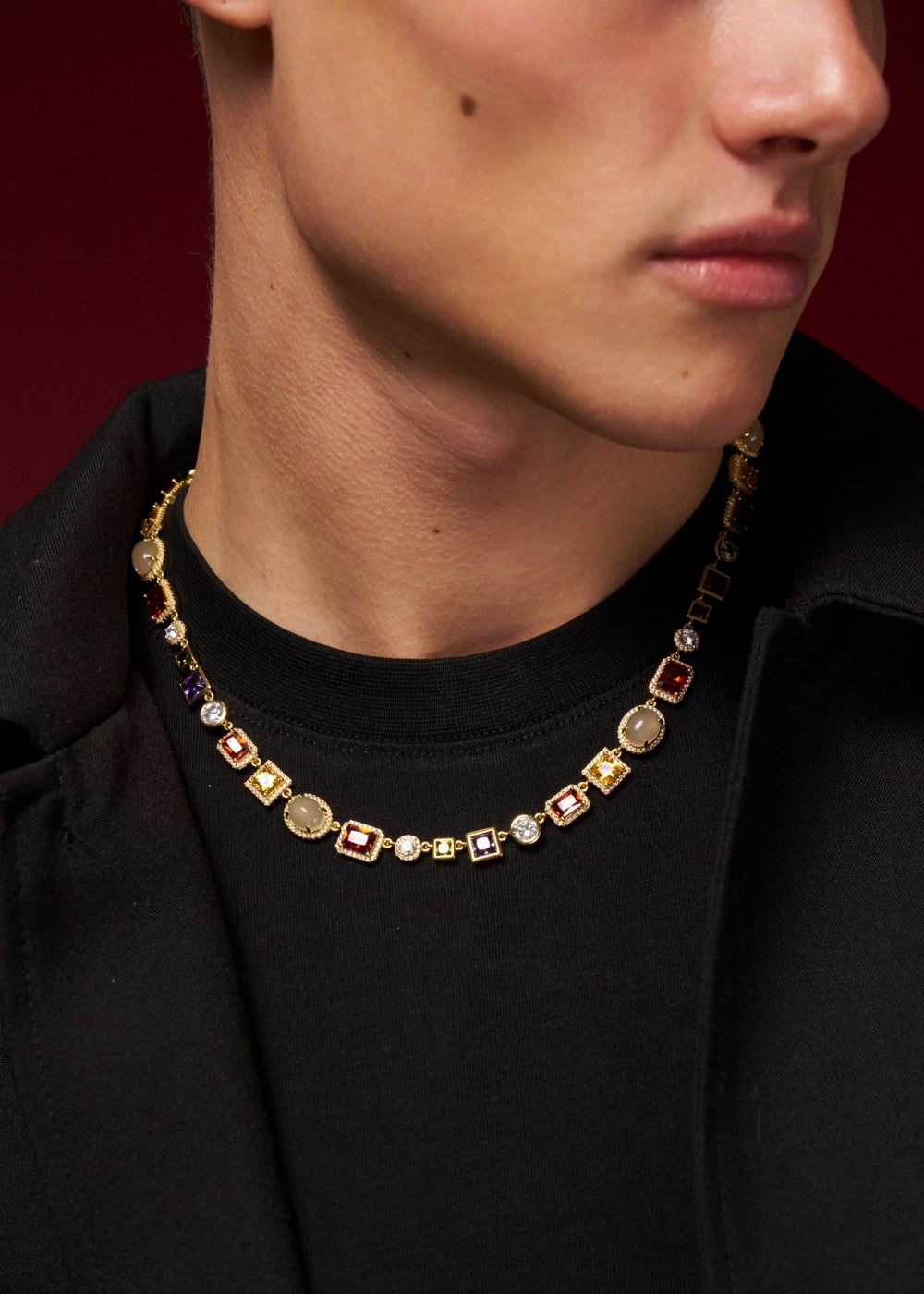
GEMSTONES




Can Gold-Plated Jewellery Get Wet? Showers, Pools and the Sea
Yes, gold-plated jewellery can get wet. A shower, a downpour or washing your hands won't ruin a well-made piece. But how much water it can take depends on two things: the metal underneath the gold, and what's in the water.
That's why the answer online seems to change from one site to the next. Gold plated over stainless steel and gold plated over brass behave very differently, and a swimming pool is not the same as a shower. Here's how each common metal handles water, what to do in the pool and the sea, and exactly where our own pieces stand.

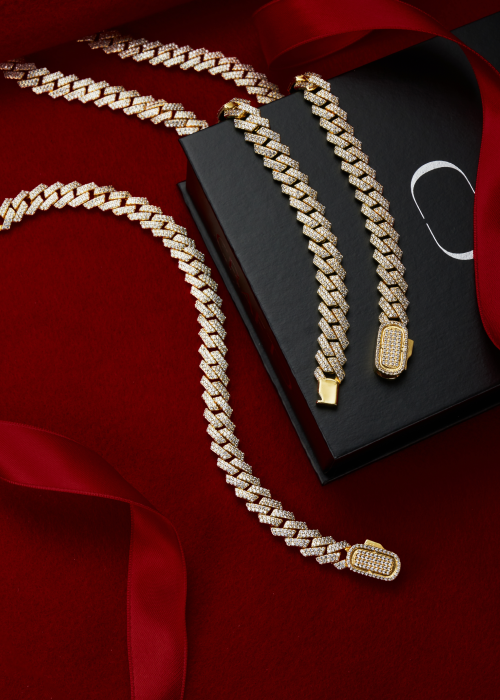
Most of what you wear every day will get wet at some point. Featured: the 6mm Cuban chain in gold.
Jump to:
- Which metals can get wet, at a glance
- Why water affects plated jewellery
- Metal by metal
- Can you shower with gold-plated jewellery?
- The pool, the hot tub and the sea
- Is CRAFTD jewellery waterproof?
- How to look after plated jewellery around water
- FAQs
Which Metals Can Get Wet, at a Glance
| Metal | Shower and rain | Pool and hot tub | Sea |
|---|---|---|---|
| Solid gold | Fine | Better off | Rinse and dry after |
| Gold over stainless steel | Fine | Take it off | Take it off |
| Gold vermeil (gold over sterling silver) | Fine if you dry it | Take it off | Take it off |
| Sterling silver | Fine if you dry it | Take it off | Take it off |
| Gold plated over brass or copper | Keep it to a splash | Take it off | Take it off |
| Pearls | Take them off | Take them off | Take them off |
Why Water Affects Plated Jewellery
Gold itself doesn't rust or corrode, so plain water does very little to it. The trouble starts with everything around the gold.
A plated piece is a layer of gold bonded over a base metal. If that base metal reacts with water, as brass and copper do, then any wear or scratch in the gold lets moisture reach it. That's what causes the dull patches, the change in colour and the green mark on your skin that cheap plating is known for. Our guide to cleaning copper jewellery explains why copper does that. If the base metal doesn't react, like stainless steel, there's nothing underneath for the water to work on.
Then there's what's in the water. Chlorine in pools and hot tubs, and salt in the sea, are much harder on a gold finish than tap water. Soap, shampoo and shower gel don't damage gold, but they leave a film that dulls the shine if you don't rinse it off. For more on how the layers are put together, see what gold plated actually means.

Water sits longest in the links and the clasp, so that's where to dry first. Featured: the 6mm Cuban chain.
Metal by Metal
Solid gold
Solid gold is the most water-resistant precious metal there is. Pure gold doesn't rust, and higher-karat gold shrugs off everyday water. Lower-karat gold is mixed with more of other metals, and chlorine can attack those over time, so it's still worth taking solid gold off for the pool. Our guide to the different types of gold explains karats and alloys in full.
Gold plated over stainless steel
This is the combination that makes plated jewellery practical for everyday wear. Stainless steel doesn't rust, so even if the gold wears thin in places, there's nothing underneath that reacts with water. Showers and rain are no problem. The one thing to protect is the gold on top, which is why pools and the sea are still worth avoiding. How long that gold lasts comes down to its thickness and how you wear it, which our guide on how long gold-plated jewellery lasts covers in full.
Gold vermeil
Vermeil is a thicker layer of gold over sterling silver. The gold handles water well. The silver underneath is the weak point, because silver tarnishes, and moisture speeds that up. A shower won't hurt it if you dry the piece properly afterwards, but take it off for pools and the sea. For how vermeil compares with gold over steel, see 18K gold vs gold vermeil.
Sterling silver
Water itself doesn't harm sterling silver, but moisture left on it speeds up tarnish, and chlorine and salt speed it up a lot more. Showering in it is fine if you dry it well afterwards. Pools, hot tubs and the sea are the places to take it off. Our guide on how to keep sterling silver looking new covers the rest, and if a piece has already darkened, how to clean sterling silver goes through every method. Don't confuse sterling with silver plating, which behaves more like cheap gold plating; silver plated vs sterling silver explains the difference.

Sterling silver is fine with a splash, as long as you dry it. Featured: the 4mm Cuban chain in sterling silver.
Gold plated over brass or copper
This is the plating most cheap jewellery uses, and it's where the bad reputation comes from. The gold layer is often very thin, and brass and copper both react with water once they're exposed. A splash won't do much harm, but regular showers and swims wear through the gold quickly and leave the metal underneath to discolour. If you don't know what's under your plating, treat it this way. For a piece that's already discoloured, our guide on how to clean metal jewellery covers brass, copper and the other base metals.
Can You Shower With Gold-Plated Jewellery?
If the gold is over stainless steel, yes. Showering in it, getting caught in the rain and washing your hands with it on won't harm the piece. It's one of the main reasons to choose a steel core in the first place: you can put a chain on in the morning and not think about it again.
There are two habits that keep it looking its best:
- Rinse off the soap. Shampoo and shower gel leave a film in the links that slowly dulls the shine. A quick rinse under clean water at the end of your shower stops it building up.
- Dry it properly. Pat it dry with a towel, and give the clasp and the gaps between the links a moment longer, because that's where water sits.
Rings trap more soap than anything else you wear, so give them a proper clean every so often. Our guide on how to clean rings has the method for each metal.
If the gold is over brass or copper, take it off before you shower. Daily soaking and soap wear a thin gold layer much faster than normal wear does.

Bracelets get wet more than anything else, every time you wash your hands. Featured: the 5mm Figaro bracelet.
The Pool, the Hot Tub and the Sea
This is where the answer changes. Chlorine and salt water are hard on a gold finish, and the reason is the gold rather than what's underneath it. A single swim won't ruin a good piece. But pools, hot tubs and the sea are the places worth taking gold off, because the gold keeps its colour and shine for longer if you do.
There's a practical reason too. Cold water shrinks your fingers and loosens rings, and a chain that comes off in the sea is gone for good. Leave it in your bag with your phone.
If you forget and swim in it:
- Rinse it under fresh, clean water as soon as you can.
- Wash it gently with a drop of mild soap and warm water if it's been in a while.
- Dry it fully with a soft cloth, including the clasp.
Our guide on how to clean gold-plated jewellery goes through this step by step, and how to clean a gold chain covers the clasp and the links in detail. Packing for a trip? Our guide to men's holiday jewellery covers what to take.

Take gold chains off before the pool or the sea, and they'll keep their colour for longer. Featured: the 3mm Rope chain.
Is CRAFTD Jewellery Waterproof?
For our stainless steel core pieces, yes, in the way that matters day to day. The rest of the range needs a little more care. Here's exactly what's covered.
Our 18K gold and rhodium pieces over stainless steel
These are built on a 316L stainless steel core and finished in 18K gold or rhodium, with a layer of rhodium between the steel and the gold rather than the nickel used across much of the industry. The steel core doesn't rust. Showering in them, getting caught in the rain or washing your hands with them on won't harm them.
Chlorine and salt water are still the exception for our gold-finished pieces. Take them off for pools, hot tubs and the sea, not because they'll be ruined, but because the gold lasts longer if you do.

Showering, rain and washing your hands won't harm our 18K gold over stainless steel. Featured: the Angel pendant.
Our 925 sterling silver range
Our sterling silver pieces are real 925 silver, not plating, so they're not part of the waterproof claim above. They behave like any sterling silver: fine in the shower if you dry them properly afterwards, but take them off for pools and the sea. They say Sterling Silver in the product name and are hallmarked 925, so they're easy to tell apart. The same care applies to our gold vermeil pieces, which are gold over sterling silver. Our guide to the sterling silver Cuban chain covers looking after one day to day.

Our sterling silver pieces say so in the name, and they're hallmarked 925. Featured: the 4mm Cuban chain in sterling silver.
Pearls and stone-set earrings
Our pearl pieces use stainless steel hardware finished in 18K gold or rhodium, but the pearls themselves are natural and soft. Take them off before you shower. A splash won't hurt them as long as you dry them straight away. Our guide on how to clean pearls explains why.
Our stone-set earrings are built differently, with an alloy core under the finish and a stainless steel post and back. Take them out before you shower or swim, and dry them if they get wet. Our guide on how to clean earrings covers the rest.

Pearls are the exception: take them off to shower. Featured: the Rounded Real Pearl Necklace.
How to Look After Plated Jewellery Around Water
A few small habits make the biggest difference to how long plated jewellery keeps its colour:
- Take it off for the pool, the hot tub and the sea. It's the single best thing you can do for any gold finish.
- Put it on last. Let sun cream, moisturiser, aftershave and hair products dry before your jewellery goes on.
- Rinse and dry after exposure. Fresh water, then a soft cloth, paying attention to the clasp and the links.
- Store it dry. Don't put a damp chain straight into a pouch or a drawer.
- Clean it gently. Mild soap and warm water only. No toothpaste, no bleach and no abrasive cloths on a plated finish.
For a full routine, see our guide on how to clean gold jewellery. If you're still choosing between metals, sterling silver vs stainless steel compares the two side by side. For silver chains specifically, see how to clean a silver chain.
Gold-Plated Jewellery and Water: FAQs
Can gold-plated jewellery get wet?
Yes, as a rule. Water on its own doesn't harm gold. What matters is the metal under the plating and what's in the water. Gold plated over stainless steel handles showers and rain without a problem. Plating over brass or copper is better kept dry. Chlorine and salt water are worth avoiding for any plated piece.
Can you shower with gold-plated jewellery on?
With gold over stainless steel, yes. The steel core doesn't rust, and the water won't harm the gold. With cheaper plating over brass or copper, it's better to take it off, because daily soaking and soap wear the thin gold layer faster. Either way, rinse off soap and dry the piece afterwards.
Can you wear gold-plated jewellery in the pool?
It's best not to. Chlorine works on the gold surface over time, and pools and hot tubs are the two places worth taking a gold piece off. One swim won't ruin it. If you forget, rinse it in fresh water and dry it with a soft cloth.
Can you wear gold-plated jewellery in the sea?
Take it off if you can. Salt water is hard on the gold finish, and a chain lost in the sea is gone for good. If it does go in, rinse it in fresh water as soon as you can and dry it fully, including the clasp.
Is CRAFTD jewellery waterproof?
Our 18K gold and rhodium pieces with a 316L stainless steel core are made for everyday water: showering, rain and washing your hands won't harm them, and the steel core doesn't rust. We still recommend taking gold pieces off for pools and the sea, to keep the gold at its best. Our 925 sterling silver range and our pearls need more care, as covered above.
Can I wear my CRAFTD chain in the shower?
Yes, if it's one of our 18K gold or rhodium chains over stainless steel. Rinse off any soap and dry it afterwards, paying attention to the clasp. For a 925 sterling silver chain, showering is fine as long as you dry it properly after.
What jewellery can you wear in the shower?
Solid gold, stainless steel and titanium all handle the shower well, as does gold plated over a stainless steel core. Sterling silver can go in if you dry it afterwards. Avoid showering in plating over brass or copper, costume jewellery, and anything with pearls or glued-in stones.
What is waterproof jewellery?
No jewellery is waterproof in the way a watch is. The term describes jewellery made from metals that don't rust, tarnish or fade in everyday water, such as solid gold, stainless steel and titanium. Plated jewellery earns the label when the metal under the gold also resists water, which is why a stainless steel core matters.
Where to Go From Here
The short version: gold over stainless steel can go in the shower and out in the rain, sterling silver can too if you dry it, and every gold finish lasts longer if it stays out of the pool and the sea.
Explore our men's chains and bracelets, or browse the sterling silver collection.
Read more

Types of Earrings for Men: Every Style, and How to Wear It
Studs, hoops, huggies or a charm hoop? Here's every type of men's earring explained, which ear to wear it in, whether to wear one or two, and how to pick your first pair.
Read more
Does Silver Tarnish? What It Means and What It Doesn't
Yes, sterling silver tarnishes, and it's supposed to. Here's why it happens, which metals tarnish and which can't, how fast to expect it, and why tarnish proves nothing about whether silver is real.
Read more
Leave a comment
This site is protected by hCaptcha and the hCaptcha Privacy Policy and Terms of Service apply.