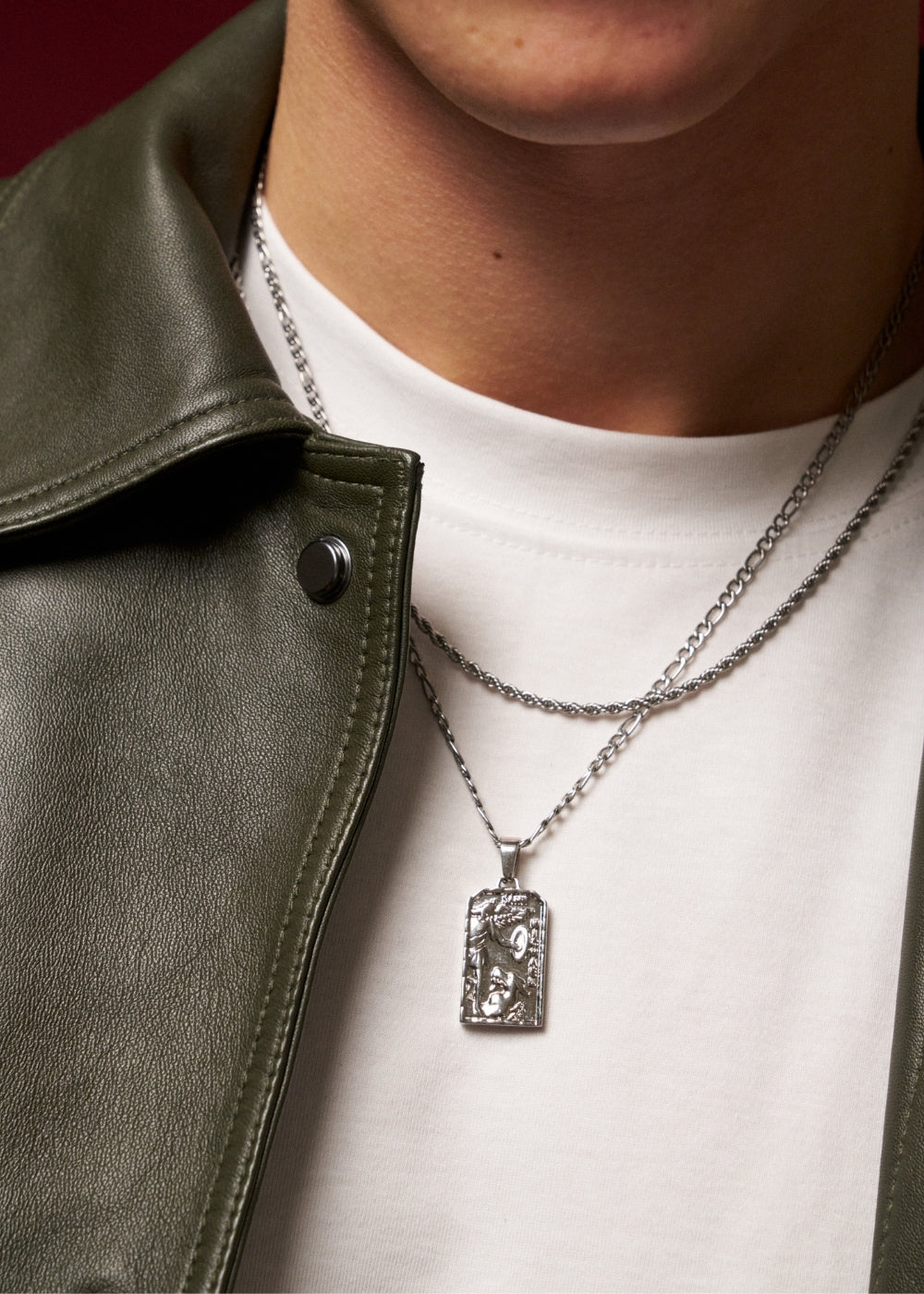
COLLARES DE PLATA
COMPRA AHORA


Cesta
La cesta está vacía
Your gifting options
Haz que tu regalo sea aún más especial con nuestras opciones de embalaje de lujo. Selecciona una bolsa de regalo, una caja de regalo o una combinación para crear la presentación perfecta.

Caja de Regalo de Lujo, Bolsa de Regalo y Kit de Envoltura (€8,99)

Tarjeta de significado (€2,50)
Añade más significado a tu regalo con una tarjeta con mensaje incluida en tu pedido.
15 variations available

Bolsa de Regalo, Cinta y Envoltura (€5,99)
La experiencia completa de regalo CRAFTD.
Incluye: Bolsa de regalo CRAFTD premium, cinta y papel de regalo.
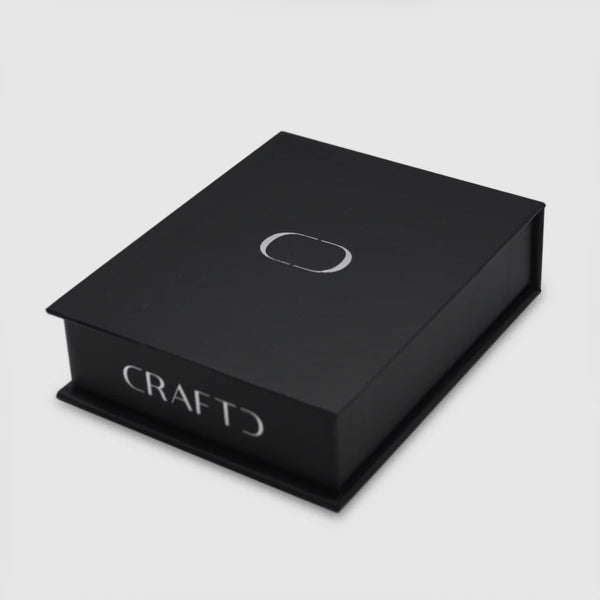
Caja de Regalo de Lujo (€5,99)
Choose your option
Para Mi Novio

Para Mi Esposo

A Mi Alma Gemela

Para Mi Hijo

Para mi nieto

Para Mi Hermano

A Mi Verdadero Amigo

Para mi papá

Un Símbolo De Fuerza

Un Símbolo De Fe

Un símbolo de protección

Un símbolo de suerte

Un símbolo de viaje seguro

Un Símbolo De Creencia En Uno Mismo

Un símbolo de aventura

This year's Mercury Prize shortlist, the UK's album of the year award, spanned six decades. On one side were artists like Nia Archives and Kojey Radical, still building what they'll be known for. On the other was Paul McCartney, nominated for the very first time at 84. By the time the winner was announced in Newcastle on 22 October, the more interesting point had already been made: being new isn't something that only belongs to the young.
Most of us will never be shortlisted for anything, but we all know the feeling behind it. The sense that some things have a window, and once you've missed it, that's that. The chain you never wore at twenty. The ring you always thought suited someone else. So it's worth asking properly. Is there really an age limit on starting something new, or is that just something we tell ourselves?

We're taught to think of firsts as a young man's business. First job, first car, first proper piece of jewellery, all expected somewhere between leaving school and turning thirty. Style in particular gets treated as something you either worked out early or didn't. If you weren't wearing a chain at 25, the thinking goes, you're just not a chain person.
It's a strange rule when you look at it closely. Most men have more money, more confidence and a far clearer sense of who they are at 45 than they did at 22. They're better placed to choose well than they've ever been. And yet that's exactly the age a lot of men decide jewellery isn't for them anymore, if they ever thought it was.
Part of it is worry about how it'll look. A man who's never worn jewellery can feel like any new piece will be noticed, commented on, or read as a midlife crisis. The reality is usually much quieter. A fine chain under an open collar or a single ring on the little finger doesn't announce anything. Within a week, the people around you have stopped noticing it. Within a month, you have too, except on the days you reach for it.
There's a fair argument on the other side, and it deserves a proper hearing. Prizes like the Mercury have always been seen as a push for the next wave, the kind of recognition that can change the direction of a young artist's career. A nomination arguably means more to someone on the way up than to someone who's already had decades of acclaim. On that view, "new" should belong to the people for whom it still changes something.
We'd agree with that, as far as prizes go. Attention is limited, and backing the hungry makes sense. But that's an argument about who gets the spotlight, not about who's allowed to start. Nobody's handing out a limited number of first chains.
If anything, starting later often means choosing better. A man who buys his first piece at 20 is usually buying what everyone around him is wearing. A man who buys his first at 50 is buying something he's thought about for years. He knows what he likes, he knows what he'd actually wear on an ordinary Tuesday, and more often than not, he knows what he wants it to stand for.
It's why so many men come to signet rings later in life. It's a piece people tend to grow into rather than start with, one that suits a hand that's done a bit of living. There's a reason a signet ring carries so much meaning: it's rarely an impulse buy. It marks something, whether that's a family name, a milestone, or simply the point a man decided he was going to wear what he wanted.
The same goes for the first chain at 45 or the first bracelet at 60. None of them are late. They're just on time for the person wearing them.

That's what Back Yourself has always meant to us, and it was never meant for one age bracket. Backing yourself at 22 often looks like taking a risk. At 62, it might look like finally wearing the thing you've always quietly wanted to wear, without worrying about whether you've earned it or left it too late.
If that sounds familiar, there's no wrong place to start. Our guide to the first pieces worth owning is a good way in, and a simple signet ring or chain is usually the easiest first step. Nobody's checking dates.

A first nomination at 84 isn't really a story about being late. It's a story about still making things worth noticing.
Being new was never about your age. It's about whether you're still willing to start.

In Hip-Hop, a Chain Meant You’d Made It. What Does It Mean Now?
Is a chain still proof you’ve made it? In hip-hop, it was the receipt for a career. Now anyone can buy one on day one. So where has the meaning gone, and what should yours say?
Leer más
Tunnel Fits: Who Really Chooses What Athletes Wear?
The coat changes every week, and the chain usually doesn’t. As the NBA season tips off, we look at who really chooses what athletes wear in the tunnel, and why the most personal piece rarely changes.
Leer más


Dejar un comentario
Este sitio está protegido por hCaptcha y se aplican la Política de privacidad de hCaptcha y los Términos del servicio.