
GIFT SETS
SHOP NOW

Popular searches

Panier
Votre panier est vide
Your gifting options
Make your gift extra special with our luxury packaging options. Select a gift bag, gift box or a combination to create the perfect presentation.

Coffret cadeau de luxe, sac cadeau et kit d'emballage (€9,44)

Carte de signification (€2,63)
Donnez plus de sens à votre cadeau grâce à une carte de signification incluse dans votre commande.
15 variations available

Sac cadeau, ruban et emballage (€6,29)
L'expérience cadeau complète CRAFTD.
Comprend : un sac cadeau CRAFTD de qualité supérieure, un ruban et du papier d'emballage.
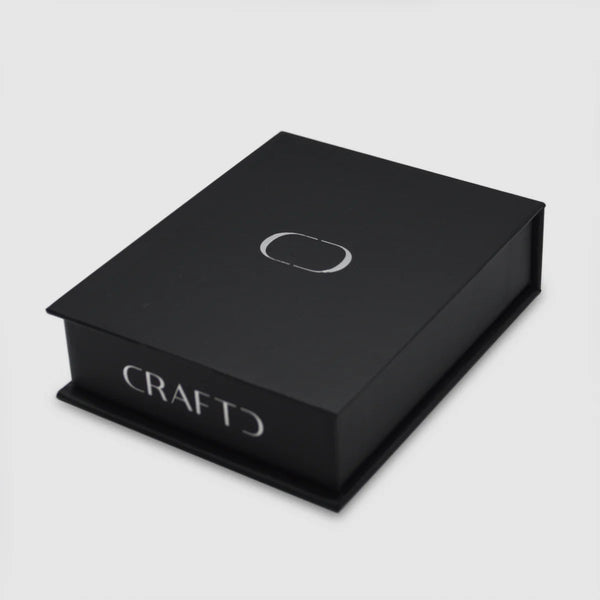
Coffret cadeau de luxe (€6,29)
Choose your option
À mon copain

À mon mari

À mon âme sœur

À mon fils

À mon petit-fils

À mon frère

À mon ami sincère

À mon papa

Un symbole de force

Un symbole de chance

Un symbole de voyage sûr

Un symbole de confiance en soi

Un Symbole d'Aventure

Depuis plus de trente ans, Jonathan Mannion façonne la mémoire du hip-hop, photographiant les artistes et les moments qui sont devenus partie intégrante de l'histoire visuelle de cette culture.
La plupart des gens connaissent l'image finale. Le portrait, la pochette d'album, le cliché qui suit un artiste dans le monde. Ce qu'ils ne voient pas toujours, c'est tout ce qui l'entoure : les planches-contacts et les boîtes, les photographies qui n'ont jamais fait la couverture, et les moments juste avant que quelqu'un ne devienne la version de lui-même dont le monde se souvient.
C'est exactement là que Jonathan Mannion nous a emmenés.


Images documentaires. Dans les archives de Jersey City.
Dans ses archives de Jersey City, entouré de plus de trois décennies d'histoire du hip-hop, il devient assez vite évident que son travail ne consiste pas seulement à prendre des photographies. Il s'agit de préserver les histoires qui se cachent derrière elles et de protéger des moments qui ne se reproduiront jamais deux fois.
« Tout cela existe parce que j'ai choisi de le protéger. »
Cette phrase nous est restée en mémoire, car lorsque vous vous tenez dans une pièce comme celle-là, entouré d'images de certains des artistes les plus influents de la culture moderne, vous en ressentez le poids. Ce ne sont pas de simples photographies. Ce sont des moments dans le temps. Des moments d'ambition, de vulnérabilité, de style et de conviction qui ont façonné une époque, et Mannion a tout conservé.

Image documentaire. Matériel exploré pendant le tournage.
Jonathan Mannion a photographié des centaines d'artistes, d'athlètes et de personnalités culturelles, façonnant la façon dont les gens se souviennent du hip-hop, du R&B et des artistes qui ont fait progresser ces mondes.
Mais à l'intérieur des archives, l'histoire semble plus personnelle. Le travail n'est pas seulement classé, il est organisé et soigné. Les boîtes sont méticuleusement empilées, étiquetées par année et par sujet, chacune contenant des moments que Mannion savait qu'il fallait protéger.

« Demandez à n'importe qui dans la pièce. Le protéger, c'est comme protéger la musique. C'est protéger l'histoire. »
C'est probablement la meilleure façon de comprendre son travail. Il n'était pas seulement proche de la culture, il a contribué à façonner la façon dont elle était perçue.
Mais pour quelqu'un dont les images sont devenues partie intégrante du langage visuel du hip-hop, Mannion n'agit pas comme un homme qui essaie de vous rappeler qui il est. Il n'y a pas de mise en scène. Il est bien plus intéressé par la responsabilité du travail que par le statut qui en découle, et cela transparaît dans chaque histoire qu'il raconte.

« Avant tout, j'aime être un être humain bienveillant. Ce que je fais n'est pas ce que je suis. Cela aide que ce que je suis me permette de faire ce que je fais. »
Cette distinction est importante, car lorsque Mannion parle de photographie, il la fait rarement paraître technique. Il parle de confiance, d'énergie, de timing et de l'ambiance dans la pièce. Des choses qui ne peuvent être achetées ou précipitées, seulement gagnées.
L'appareil photo est là, bien sûr, mais le vrai travail se fait avant que l'obturateur ne se déclenche. C'est dans sa façon de lire une personne, de lui laisser suffisamment d'espace pour montrer quelque chose de vrai, et de comprendre qu'un portrait ne fonctionne que lorsque le sujet se sent vu, et non pas stylisé selon l'idée que quelqu'un d'autre se fait de lui.


Images documentaires. Jonathan en studio.
Mannion est arrivé à New York en 1993, jeune, ambitieux et apprenant vite, après avoir débuté sous la direction de Richard Avedon, l'un des plus importants photographes portraitistes du siècle dernier. Au même moment, le hip-hop entrait dans une nouvelle ère.
Nas. Wu-Tang. Biggie. DMX. OutKast.

Image reproduite avec l'aimable autorisation des archives de Jonathan Mannion.
La musique changeait, le style changeait, et la façon dont les artistes voulaient être vus changeait avec elle. Mannion était là pendant que tout cela prenait forme, et il parle toujours de ces années avec l'énergie de quelqu'un qui était en plein milieu. Biggie sur scène, déchirant tout. La foule déchaînée et élégamment vêtue. Lil' Kim saisissant ses perruques. « Pure énergie », se souvient-il.
Une grande partie de la culture n'a de sens que lorsque quelqu'un l'a transformée en histoire. Mannion travaillait avant que cela n'arrive, avant que les images n'entrent dans le canon, avant que quiconque ne comprenne à quel point ces jours allaient devenir importants.
Il ne documentait pas la nostalgie. Il documentait le présent.


Images reproduites avec l'aimable autorisation des archives de Jonathan Mannion.
Plus Mannion parle, plus on réalise que ses images n'ont jamais eu pour seul but de faire paraître quelqu'un beau. Elles devaient être honnêtes. Cela signifiait capter le son d'un album, la vie d'un artiste, la pression et la conviction qui l'animent, et tout cela dans un seul cadre. Mannion comprenait le poids de cela. Il savait ce que signifiait de mettre l'histoire de quelqu'un sur une pochette de disque.

Image documentaire. Dans le studio de Jersey City.
Quand il parle de DMX et de It’s Dark and Hell Is Hot, il n'en parle pas comme d'une simple image. Il parle d'intensité, de colère, de prière, de protection et de but. Il parle de l'espace blanc et du rouge, du sentiment que ce n'était pas seulement une couverture, mais une expression visuelle de qui était DMX à ce moment-là. Ce genre de traduction a du poids, et vous pouvez l'entendre dans la façon dont il raconte l'histoire.
« Vous documentez des moments qui ne seront plus jamais les mêmes. »
C'est ça, le truc avec une belle image. On peut reconstruire le décor, retourner dans la même rue et demander à quelqu'un de se tenir de la même manière, mais on ne peut jamais recréer ce qu'il était ce jour-là.
Passez suffisamment de temps à examiner le travail de Mannion et les bijoux deviennent indissociables de l'histoire. Pour lui, ce n'était jamais juste quelque chose de placé sur un sujet avant une séance photo. C'était un point de départ.
Une chaîne devient quelque chose de différent une fois qu'elle est portée par la personne. Dans le hip-hop, les bijoux ont toujours porté plus qu'un simple éclat. Ils peuvent vous dire d'où vient quelqu'un, ce qu'il valorise, ce qu'il a survécu et comment il veut le dire sans s'expliquer.
Mannion l'a compris parce qu'il était assez proche pour le voir correctement. Une chaîne en corde l'a emmené à Rakim. Un pendentif d'ange l'a emmené de Nothin' à Somethin'. Ce n'étaient pas de simples références aléatoires. Elles appartenaient à certains artistes, à certains moments et à certaines versions de la culture.


Pièces de la collection CRAFTD. Le pendentif Jésus, la chaîne torsadée, le pendentif Ange.
Mais les bijoux ne lui rappelaient pas seulement le style. Ils le ramenaient directement à une photographie, à une personne, à une ville ou à un sentiment.
Une chaîne Cash Money n'était pas seulement une pièce de marque. C'était une fierté. Un signe qu'un groupe de la Nouvelle-Orléans construisait quelque chose de plus grand qu'eux-mêmes. Mannion a parlé de chasser ces artistes à travers le pays, d'être à la Nouvelle-Orléans, de ressentir l'effervescence autour de Slim, Baby, Mannie Fresh, Lil Wayne, Juvenile et Turk alors qu'ils faisaient leur chemin.
C'est la partie qui est souvent manquée avec les bijoux. Au bon moment, sur la bonne personne, ils deviennent un marqueur du temps.


Image documentaire. Pièces explorées pendant le tournage.
Il est facile de réduire la bijouterie à un statut, de la ramener à qui avait la plus grosse chaîne, qui a dépensé le plus, ou qui a fait l'entrée la plus remarquée. Mais Mannion en parle différemment. Il parle d'art, de choix personnel et du sentiment qu'une pièce vous procure lorsqu'elle devient une partie de la façon dont vous vous présentez.
Il comprend ce sentiment parce qu'il l'a lui-même ressenti. Il se souvient de la première chaîne que son oncle lui a achetée alors qu'il montait en puissance, et pour quelqu'un qui se lançait dans le rap, cela signifiait quelque chose. Cela lui a donné le sentiment de faire partie du monde auquel il contribuait. C'est ce qui rend son point de vue si ancré. Il ne s'agit pas seulement de l'apparence d'une pièce, mais de ce qu'elle représente pour la personne qui la porte.

« On a dépassé la simple chaîne. Entrons maintenant dans l'art. »
Cette phrase semble être le cœur de tout cela, car les meilleurs bijoux ne sont pas seulement portés. Ils sont choisis.
Un simple collier ras-de-cou sur DMX. Une chaîne Cash Money à la Nouvelle-Orléans. Les bijoux de Slick Rick exposés et photographiés comme des artefacts culturels. Ces pièces avaient de l'importance parce qu'elles appartenaient à des personnes qui les portaient avec intention, et Mannion les a photographiées avec le même soin.

Photographie de Jonathan Mannion. Cadre sélectionné des archives.
C'est là que le monde de Mannion et la joaillerie se rencontrent. Le sens n'a pas toujours besoin d'être évident pour tout le monde. Parfois, c'est mieux quand il ne l'est pas. Les bijoux peuvent souvent être vus par tous et n'appartenir qu'à la personne qui les porte.


Image documentaire. Dans le studio de Jersey City.
Sa mère lui disait quelque chose qu'il a gardé en lui : « Il y a ceux qui donnent et ceux qui prennent. Je suis là pour donner. » D'une certaine manière, cela explique autant les archives que toute autre chose. Les images existent parce que les gens lui ont fait confiance. Les archives existent parce qu'il a protégé ce qu'ils lui ont donné. Et les moments comptent toujours parce qu'il savait qu'ils valaient la peine d'être conservés avant que le reste du monde ne comprenne ce qu'ils deviendraient.
C'est la vraie histoire.
Pas seulement un photographe, mais un artiste qui a conservé la mémoire de la culture.
Ces images perdurent parce qu'elles contiennent ce qu'une légende ne pourrait jamais : la personne, le moment, le sentiment, conservés exactement tels qu'ils étaient.
Mannion n'a pas seulement photographié une époque. Il a aidé une culture à se souvenir d'elle-même.

Images sélectionnées avec l'aimable autorisation de Jonathan Mannion. Présentées à des fins documentaires et éditoriales en collaboration avec CRAFTD Stories.

Leo Neugebauer : De l'argent olympique à l'or mondial en athlétisme
L'histoire de Leo Neugebauer ne se résume pas à gagner des médailles. De son argent à Paris en 2024 à son or en 2025, il illustre ce qui se produit lorsque la conviction, la discipline et la visio...
En savoir plus
Bilal Fawaz: The Fighter Who Found Home in the Ring
From a case file number to national champion, Bilal Fawaz’s story is one of survival, self-belief and the ring that gave him somewhere to call home.
En savoir plus

Laisser un commentaire
Ce site est protégé par hCaptcha, et la Politique de confidentialité et les Conditions de service de hCaptcha s’appliquent.