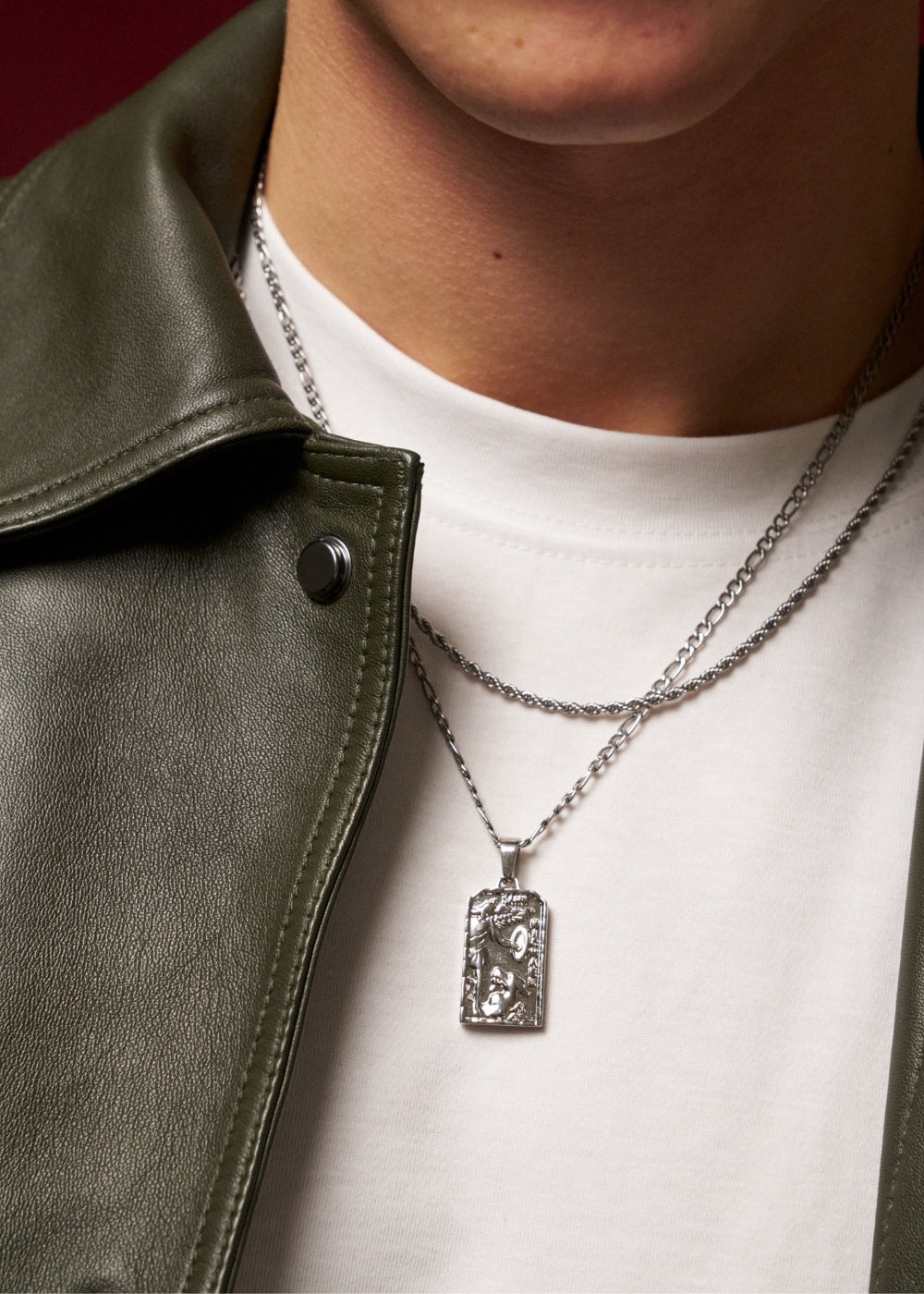
COLLANE D'ARGENTO
ACQUISTA ORA


Articolo: Melt It or Wear It? The Case for Keeping Your Grandad's Chain

Look closely at a chain that's been worn for forty years and you'll find the man who wore it.
The clasp has gone smooth under a thumb that opened it every morning. One link sits slightly flatter than the rest, where it rested against his collarbone through every shift, every wedding and every Saturday at the match. If there's an engraving, the letters have softened at the edges. None of that is damage. It's a record.
Most families have somewhere these pieces end up. A biscuit tin at the back of the wardrobe. A ring box in the bedside drawer. A watch that stopped the year he did, and a chain nobody has quite got round to wearing.

For most of history, gold did two jobs at once. It was savings you could wear. A ring or a chain marked a wedding, a christening or a first proper pay packet, and it was also the thing you could fall back on if times got hard. Nobody saw a contradiction in that.
The signet ring did a third job. Long before signatures and passwords, it was how a man put his name to something, pressed into hot wax to seal a letter, then handed down to his son along with the name itself. In Britain, gold and silver have been tested and hallmarked for more than seven hundred years, so many of these pieces carry a small stamped record of where and when they were made, tucked inside a band or on the tag by a clasp.
This year, the drawer got a price tag.
Gold has spent 2026 near historic highs. In the UK, an ounce was worth around £3,150 at the start of July, against roughly £1,840 two years earlier. The adverts followed. Cash for gold. Free valuations. The best price for your unwanted jewellery.
People are taking them up on it. In New York, one retiree told Reuters he walked half an hour from home, watched his late parents' gold melt in a crucible, and left with cash in hand. Dealers in Britain say scrapping has risen sharply this year, with mid-range gold watches among the hardest hit.
It's quick, it's simple, and it's final. Which is exactly why the question deserves more thought than the advert gives it.

There are three ways to value an old piece.
The first is its weight. That's the only number a scrap buyer cares about: grams of gold, multiplied by the day's price, usually with a discount taken off the top.
The second is what it would sell for as it is. A well-made chain, a signet ring with a clean crest, a watch that still runs. Often that's worth more than the metal alone. Sometimes it isn't.
The third doesn't come with a number. It's the fact that it was his. That he wore it to your christening. That it's there, catching the light, in the background of every photo you have of him.
Melting only ever pays out on the first. The second and third go into the crucible with everything else. The hallmark, the engraving, the flattened link, the clasp worn smooth. What comes out is a small bar of gold that could have come from anyone.
It would be easy to make this one-sided. It isn't.
A chain that sits in a drawer for twenty years isn't doing much remembering. Sentiment that never gets taken out and worn is still sentiment, but it's a quiet kind. If a piece only ever makes you feel guilty for not wearing it, there's a fair argument it has already done its job.

Money matters, too. For plenty of families, the gold in the drawer is the closest thing they have to savings, and this year it's worth more than it has been in a long time. A deposit. A debt cleared. A bit of breathing room. Those are good reasons, and nobody should be made to feel bad for them.
There's also a fair chance it's what he'd have wanted. Plenty of men of that generation bought gold for exactly this: so that if things got hard, there'd be something to fall back on. Cashing it in can be its own kind of respect.
There's a middle ground as well. A chain that will never suit you can be remade into one that will. The metal stays in the family, just in a shape you'll actually wear.
Still, if the choice is between a number and a person, we'd lean towards the person.
Gold prices rise and fall. They always have. The price that looks too good to turn down this year may look ordinary in ten. What doesn't come back is the piece itself. Once it's melted, there's no buying it back.
Even the people doing the melting feel it. As one Wiltshire gold dealer told Country Life this summer, "it is awful to dismantle something of significance."
There's something else, too. Wearing a piece that belonged to someone else changes how it feels to put it on. A chain your grandad wore through the years nobody talks about, the early starts, the lean spells, the jobs he didn't love but turned up for anyway, carries a bit of that with it. You don't have to be sentimental about it. You just notice it, some mornings, and stand a little straighter.
No valuation will ever pick that up.

Nobody has ever bought an heirloom. They buy a signet ring or a chain they like, and then they wear it. Every day, for years, until it stops being something they own and becomes something people remember them by.
Which means the chain in your grandad's drawer was once brand new. Picked out in a shop, probably after some thought about whether he could afford it. Nobody told him it would matter. It mattered because he kept it on.
That's worth holding onto, whatever you decide to do with the drawer. What turns a piece into an heirloom isn't what it's made of. It's how long it's worn, and who's wearing it.

So, melt it or wear it?
Only you can answer that, and there's no wrong choice. But before the scales come out, it's worth putting it on once. Seeing how it sits. Feeling the weight of it. The real weight, not the one on the receipt.
Forty years from now, someone may well open a drawer and find something of yours.
What do you want them to find?
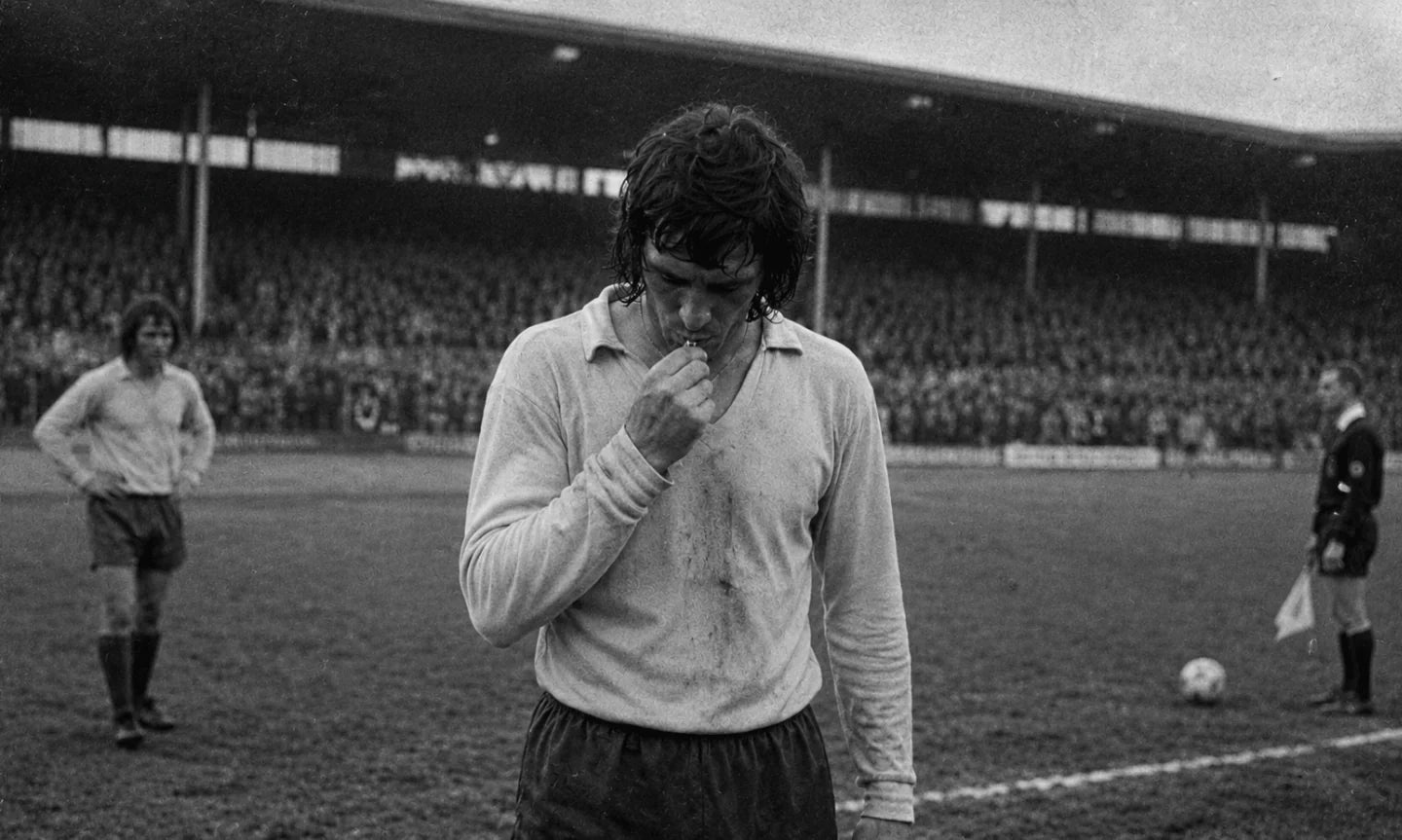
Bisognerebbe riportare i gioielli in campo?
Il legame tra il calcio e i gioielli non è mai stato così evidente. Con l'avvicinarsi della Coppa del Mondo 2026, perché il campo da gioco li fa ancora tutti togliere?
Per saperne di più


Commenta
Questo sito è protetto da hCaptcha e applica le Norme sulla privacy e i Termini di servizio di hCaptcha.