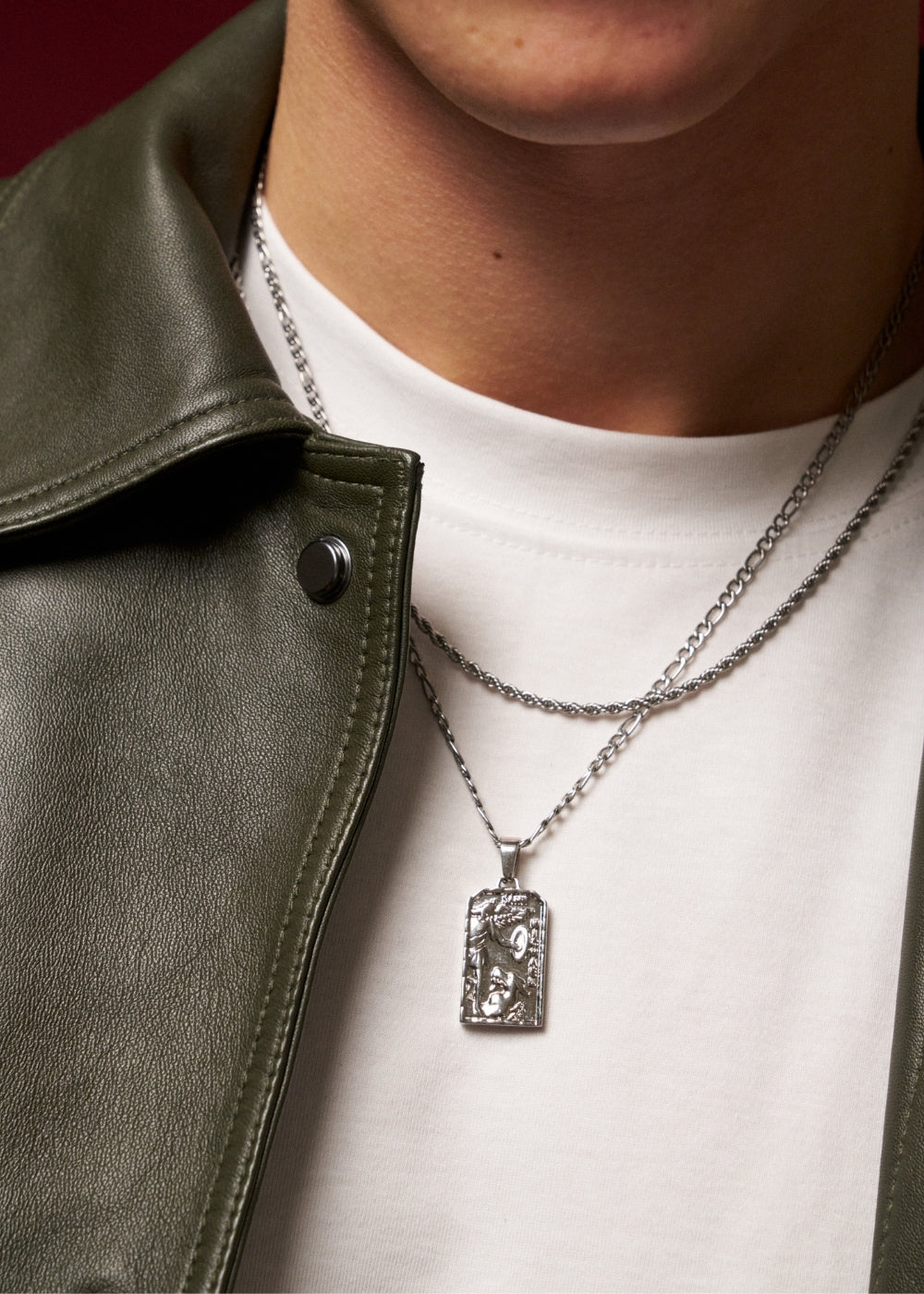
COLLANE D'ARGENTO
ACQUISTA ORA


Carrello
Il tuo carrello è vuoto
Your gifting options
Rendi il tuo regalo ancora più speciale con le nostre opzioni di confezionamento di lusso. Scegli una borsa regalo, una scatola regalo o una combinazione per creare la presentazione perfetta.

Confezione regalo di lusso, borsa regalo e kit per incartare (€9,44)

Carta del Significato (€2,63)
Aggiungi più significato al tuo regalo con una carta di significato inclusa nel tuo ordine.
15 variations available

Borsa regalo, nastro e confezione (€6,29)
L'esperienza completa di regalo CRAFTD.
Include: Borsa regalo CRAFTD premium, nastro e carta da regalo.
Scatola Regalo di Lusso (€6,29)
Choose your option
Al mio ragazzo

Al mio marito

Alla mia anima gemella

Al mio figlio

Al mio nipote

Al mio fratello

Al mio vero amico

Al mio papà

Un simbolo di forza

Un Simbolo di Fede

Un simbolo di protezione

Un simbolo di fortuna

Un simbolo di viaggio sicuro

Un simbolo di fiducia in se stessi

Un Simbolo di Avventura

A watch and a bracelet are the two things most men wear on their wrists, and getting them to work together is easier than it looks. The trick is understanding what each piece needs: the watch needs room to sit flat and be read, and the bracelet needs to look like it was chosen on purpose rather than left on from yesterday.
Our bracelet styling guide covers the basics. Here we go further, from deciding which wrist each piece lives on to sizing a bracelet against your watch and matching it to the strap you're wearing.

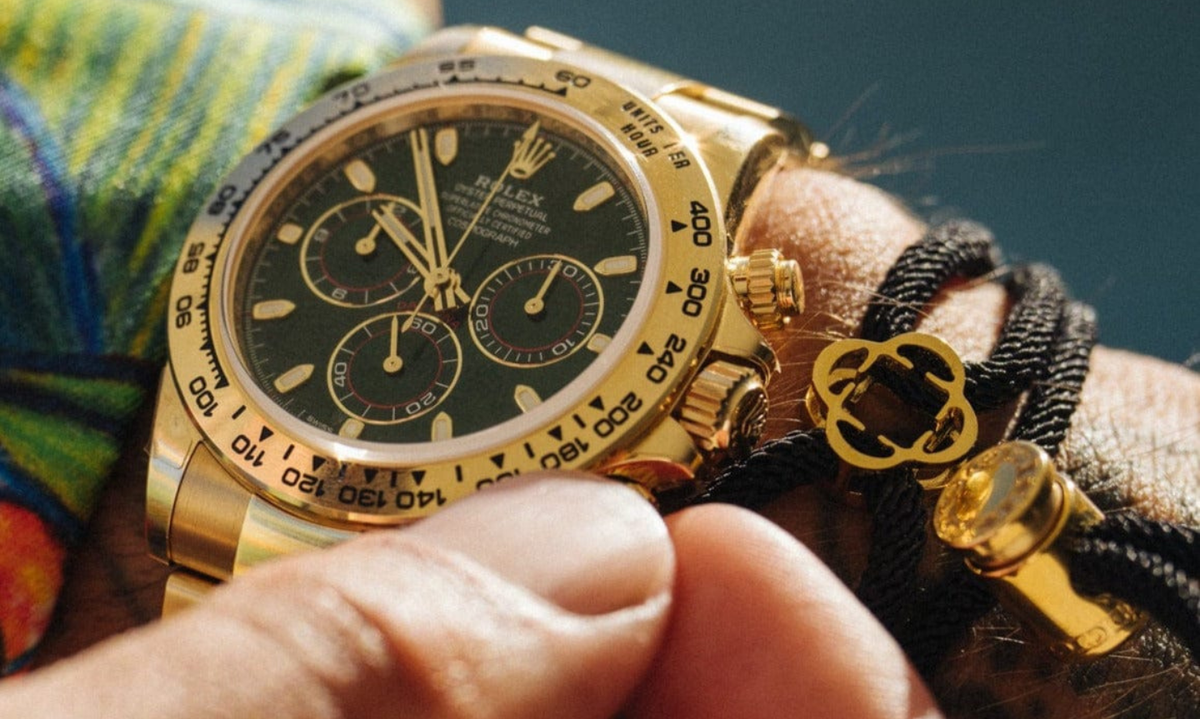
Cord and a watch share a wrist easily: soft against the case and slim enough not to crowd it. Featured: Black Cord Bracelet (Gold).
Jump to:
You have two options here, and each one suits different situations.
Splitting them gives the watch one wrist and the bracelet the other. Each piece gets space, nothing knocks together, and you can wear a heavier bracelet without it crowding the watch. It's the safer choice for anything bold, and the better choice for a slim dress watch that would be overwhelmed by company.
Sharing a wrist means the watch and one or two slim pieces sit together. It looks more deliberate and more styled, and it's how most men end up wearing cord, leather and fine chains. It asks for more care with size and placement, which is what most of this guide is about.
Your dominant hand matters too. Tradition puts the watch on the hand you use less, so it stays clear while you write and your busier hand stays free. For a right-hander, that usually means the watch goes left and anything bold goes right.

One wrist for the watch, the other for beads: the simplest split of all. Featured: Sodalite Stone Bracelet (Gold) and Kiwi Stone Bracelet (Gold).
When a bracelet shares the watch wrist, where it sits makes the difference between neat and cluttered.

At 2mm, a chain can sit beside almost any watch. Featured: Rope Bracelet (Gold) 2mm.
The simplest rule for the watch wrist: the bracelet should always look lighter than the watch. Use the watch's case and strap as your guide, and size down from there.
| Your watch | Bracelet to try on the same wrist |
|---|---|
| Slim dress watch, around 36mm to 39mm | A 2mm chain, a fine tennis bracelet or a thin cord |
| Everyday steel or field watch, around 38mm to 41mm | A fine chain up to 3mm, a cord or a slim leather bracelet |
| Diver or chronograph, around 40mm to 44mm | A single bead bracelet, a cord, or a chain up to about 4mm |
| Any watch, opposite wrist | Anything you like: a heavier chain, a cuff or a stack |
A fine chain like the Rope Bracelet or the Curb Bracelet at 2mm fits beside almost any case, which makes our micro bracelets a simple first step. For a little more shine next to a dressier watch, a slim Tennis Bracelet keeps the line thin while catching the light.

A thin line of stones for a dressier watch. Featured: Tennis Bracelet (Silver) 2mm.
The strap tells you more about which bracelet to wear than the watch itself does. Treat the strap as bracelet number one, then pick a second that agrees with it.
Soft materials sit best next to leather. A woven Black Leather Bracelet, also in gold, mirrors the strap's woven texture, while its metal detailing can echo the case. Stone beads work well too: warm browns with a brown strap, black with a black one.

Leather beside a leather strap, finished in the watch's metal. Featured: Black Leather Bracelet (Silver).

Warm brown beads for a brown leather strap. Featured: Tigers Eye Bead Bracelet (Gold).
With a steel or gold watch bracelet, choose a fine chain that matches the watch, kept clearly slimmer than the watch's links. Two heavy metal bracelets side by side start to look like one oversized cuff. If you want a bolder chain, give it the other wrist.
Sporty straps suit relaxed bracelets. Cord, beads and leather all look at home here, and a mixed stack of bead bracelets feels more natural beside rubber than a polished chain does. Our cord bracelets are made for this kind of everyday wear, and our guide to cord bracelets shows how to wear them.

Cord in front of chain keeps metal off metal. Featured: Black Cord Bracelet (Silver).
Our first watch buying guide explains the main families. Each has a bracelet it gets on with best.

A small detail that stays out of the watch's way. Featured: Cross Bracelet (Gold).
Matching your bracelet to your watch case is the easy route, so we split our gold bracelets from our silver ones to make that simple. But you don't have to match exactly.
A slim medallion piece like the St Michael Bracelet or the Cross Bracelet adds meaning without adding bulk, so it pairs neatly with a watch in the same metal.

Silver and slim, for a steel watch. Featured: St Michael Bracelet (Silver).
A useful rule: the watch wrist has a budget, and the watch has already spent most of it.

The free wrist is where a bigger stack belongs. Featured: Matte Onyx Stone Bracelet (Gold).

Bold links deserve a wrist of their own. Featured: Cuban Bracelet (Gold) 8mm.
Wearing two pieces on one wrist means they'll touch occasionally, so a few habits keep both looking their best.
Yes. Keep the bracelet slim, around 2mm to 4mm, and leave a small gap so the two don't grind together. Cord, leather and fine chains share a wrist with a watch most easily.
The hand side is the usual choice, where a loose bracelet falls naturally. A snug cord or leather bracelet can sit on the elbow side instead. Either works if the pieces aren't pressing together.
Not exactly, but it should feel related. Match the metal of a metal watch, or pick up the tone of a leather strap. A two-tone watch gives you the most freedom.
Something soft or natural: a leather or cord bracelet, or stone beads. Add metal details in your case metal so the two pieces connect.
A fine chain that matches the case metal, kept noticeably slimmer than the watch's links. Two chunky metal pieces side by side tend to compete, so put anything heavy on the other wrist.
One or two slim pieces on the watch wrist. The free wrist can take more, three or four if they vary in texture, as long as both arms still look like part of the same outfit.
Metal against metal can mark a polished case over time. Leave a gap, or choose cord, leather or beads for the watch wrist and save metal chains for the other side.
You can, if one metal clearly leads. Keep the gold piece small and quiet beside steel, or move it to the other wrist. A two-tone watch makes the mix look intended.
New to wearing a bracelet beside a watch? Begin small: one fine chain or a cord on the hand side, with a gap, in a metal or material that agrees with your strap. Once that feels natural, start using the other wrist.
For every style in one place, see our guide to bracelet types, or browse all our bracelets.
How to Choose Your First Men’s Watch
A first watch is a big decision with a lot of jargon attached. Here’s how to cut through it: the styles, the sizes, the strap and metal choices, and how it all works with your jewellery.
Per saperne di più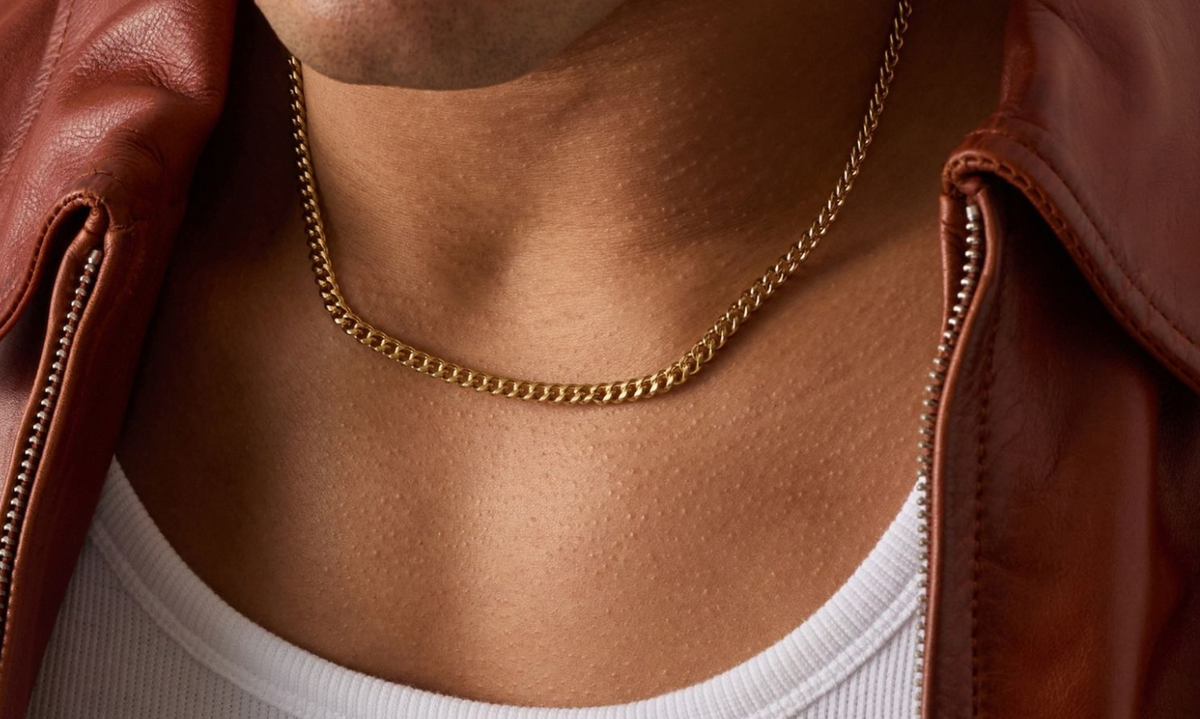
Why Does Jewellery Turn Your Skin Green?
That green line on your finger or neck has a simple cause. Here’s what it is, which metals leave it, how to wash it off and how to choose jewellery that won’t do it.
Per saperne di più


Commenta
Questo sito è protetto da hCaptcha e applica le Norme sulla privacy e i Termini di servizio di hCaptcha.